Meta’s New Terms Put Publisher Copyright Under EU Scrutiny
Meta plans to introduce new business terms on Oct. 30, 2026. The European Publishers Council wants the European Commission to examine publishers’ control and payment rights.

Meta’s revised commercial terms could let it crawl sites linked to business accounts and use collected material to train AI products. Publishers have no opt-out before October 30, and legal experts question how far that permission extends.
A Tech Against Terrorism test found that framing a dangerous request as safety research made models almost nine times more likely to respond. Altered open-weight versions can appear online within days.
A single room photo can point investigators toward a listed home. 404 Media reports that two departments bought access to Raven’s predecessor.
A judge has refused to dismiss a lawsuit accusing Apple of scraping YouTube videos for AI training. Creators say their work was taken without consent. The outcome could force tech giants to rethink how they use public online content.
The Atlantic’s CEO has launched a high-profile AI podcast that’s stirring up conflict inside the magazine. Staff warn the business-driven show threatens editorial independence. The fallout exposes deeper risks for publishers chasing new revenue.
Parents now get to see and limit what teens ask Meta AI. The change comes after a record fine and growing worries about teen mental health.
A judge must resentence a convicted man after an AI-made video of the victim was ruled too persuasive. The court kept the conviction but ordered a new sentencing without the AI video.
AI tools are churning out New Yorker-style cartoons and slapping on real cartoonists' signatures. Artists say this is a step too far. OpenAI has started blocking some prompts, but the problem hasn't gone away.
A federal judge has thrown out Penske Media’s lawsuit against Google’s AI Overviews. The court said scanning publisher sites and expecting traffic isn’t a contract. Here’s what this means for digital publishers.
A US appeals court has sided with Thomson Reuters over Ross Intelligence, ruling that using publisher content for AI training is not fair use. The outcome could change how content owners and AI firms fight over data.
A US appellate court has ruled against Ross Intelligence for using Westlaw content to train its AI. The sealed decision marks a pivotal moment for publishers and AI firms.
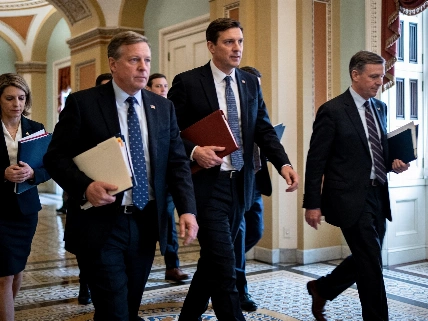
A surge in AI bots scraping news sites has pushed over 300 publishing executives to Capitol Hill. They are urging lawmakers to support a bill forcing AI crawlers to reveal themselves and stop covertly harvesting journalism for training data.
A coalition of top news organizations is seeking summary judgment against OpenAI and Microsoft, accusing them of massive unauthorized copying to fuel AI products. The case exposes the high-stakes battle over the future of journalism and AI.
Contractors hired for Microsoft Copilot are reviewing user prompts and images. Many requests are sexual or explicit. The moderation process is raising new alarms for AI platforms.
Internal records show OpenAI and Microsoft saw the risk their AI posed to publishers. Executives talked about a 'doom loop' and the scale of content scraping. The lawsuit lays out how much the companies knew about the possible damage.
AI models at Microsoft now face a draft code that bans deception and requires human oversight. The company aims to prevent AI from crossing ethical lines as superintelligence approaches.
A Cleveland.com reporter discovered her byline on an AI-generated article she never saw. The newsroom’s AI desk is under scrutiny as staff question editorial controls.
A leading AI scientist has left Anthropic, warning that the next two years could shape humanity’s future. His call for urgent regulation comes as security lapses and IPO plans put new pressure on the industry.
A new iPhone feature promises to verify real photos and expose AI fakes. Apple’s move could reshape how publishers and creators prove image authenticity.
SEO teams are making high-stakes mistakes with AI tools, risking client data and publishing hallucinated metrics. Learn the practical framework that stops AI from turning routine tasks into brand-damaging incidents.
Court documents show less than one percent of Copilot chats matched New York Times articles. Microsoft argues the scale of copyright infringement is overstated.
Two major newsrooms accuse OpenAI and Microsoft of exploiting their journalism for AI training. The lawsuits spotlight growing risks for publishers as generative AI reshapes content economics.
Authors expecting Anthropic settlement payments are seeing publishers and agents claim unexpected shares. Disputes over rights and payment splits are escalating. The process exposes deep flaws in industry recordkeeping.
Federal lawyers argue that training AI models on news content does not violate copyright law. The New York Times and other publishers accuse OpenAI of using their work without permission. The case could set new rules for how AI and publishers interact.
A Wall Street Journal op-ed openly crafted with AI has triggered a wave of policy clarity at major US newspapers. Editors are now drawing strict boundaries on AI-generated opinion content.
Educators across the US and UK are facing a surge of AI-generated sexualized images and videos created by students. These incidents are causing distress, investigations, and changes in school policies. Platforms like TikTok and Snapchat are under scrutiny for their response.
Invisible watermarks in AI-generated text are already being removed by developers, just days after new EU rules took effect. Anthropic’s Claude faces rapid circumvention as open-source tools spread, intensifying the debate over AI content labeling.
Bot traffic now surpasses human visits online. New US and UK bills target stealth bots that scrape content and disrupt publishers. Industry leaders urge global action to restore transparency.
A Connecticut plaintiff embedded secret AI instructions in legal documents. The court discovered the hidden text and issued a sanction. The case highlights new risks for legal workflows as AI tools intersect with official filings.