Google Ads Loosens Lookalike Audience Boundaries by Default
A selected Lookalike segment may soon stop acting as a hard boundary in Demand Gen. Advertisers can opt out if they want to keep the restriction.

Across 25,000 paid posts, hard-sell tactics tracked with weaker engagement on TikTok and Instagram. Charles Swann argues that briefs should set guardrails, not scripts.
The Oct. 20 launch gives CNN its first overseas test for All Access. The plan also lets advertisers reach logged-in subscribers.
A survey found 73% of advertisers plan to spend on sports streaming and CTV. Cost and doubts about ROI remain leading barriers.
Slate is drawing on its 1996 homepage as it rethinks the design for 2026. The anniversary campaign also offers a year of access for $19.96.
Seven media organizations from the Americas have joined SPUR, expanding the coalition to more than 80 organizations in over 20 countries. They want a role as standards for tracking AI use of journalism take shape; the telemetry standard does not set licensing terms or trigger payments.
Audience tips can point to a story, but they cannot establish consent. Liljenquist’s team weighs the risks before filming and can decide not to publish.
Cloudflare says AI bots scrape thousands of pages for every human reader they refer. Its new tools let publishers track crawler activity and decide whether to block access or negotiate payment.
Boston Globe Media reports early programmatic revenue gains, but the figures have not been independently verified. Freestar manages monetization across three BGM properties, freeing engineering capacity while putting the reader experience under pressure.
ABC News republished its Anduril investigation after acknowledging errors in the earlier version. Its correction clarified 1789 Capital’s investment, but did not match the network’s initial explanation for removing the story.
Meta says Muse Wonder can compete with leading models across its platforms. Its memory and focus features target a costly weakness in AI agents: losing track of complex tasks.
Microsoft expects Maia 300 production shipments to begin in 2027. Its claimed 40% efficiency gain could expand inference capacity, though it does not guarantee cheaper services for advertisers or businesses.
Disconnected marketing data can stall AI programs before they deliver. Brandtech is bringing more than 500 specialists across 22 countries into one practice, citing an early client case with an 83% ecommerce revenue increase.
A field named siteAuthority appears in Google’s leaked search documentation. The record confirms an internal data field, but says nothing about how Google calculates it or how much it affects rankings.
At five average exposures, one campaign held attention for nine seconds; another held it for 71. Lumen’s findings suggest attention tracked brand movement more closely than frequency did.
Global spending is forecast to rise 12.8% to $41.92 billion in 2026, extending a sixth straight year of double-digit growth. Streaming and microdramas are opening new placement channels; music and audio grew fastest in 2025.
Advertisers may retain access to Foursquare data, but the proposed acquisition raises questions about fair treatment across competing platforms. They need verifiable pricing and clear rules for information access.
Agentic advertising could automate CTV campaigns, but the industry still needs common rules and credible measurement. Streaming is gaining ground on linear TV, while broadcast remains a separate market.
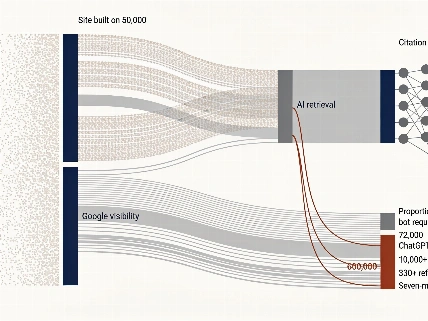
Google visibility collapsed, but ChatGPT kept retrieving pages built on invented numbers. The creator found links from outside publishers and citations in research, raising questions about how AI search handles unsupported statistics.
Fox News keeps spotlighting the economic upside of AI and data centers, even as public skepticism and political backlash mount. New analysis shows a widening gap in network coverage ahead of the midterms.
FindClout promises brands a guaranteed view floor but publishes no rate card or reach figures. Good Day Media reports CPMs from eight cents to two dollars per thousand views, with the format affecting the price.
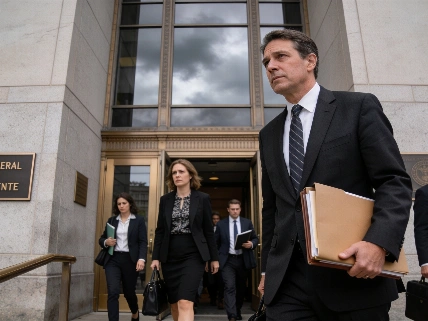
A federal judge has tossed out Chegg and Penske Media’s lawsuits accusing Google of using AI search to divert web traffic. The decision marks a clear defeat for publishers trying to rein in Google’s use of their content in AI-generated answers.
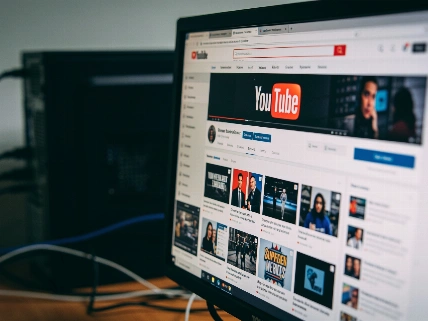
A judge has refused to dismiss a lawsuit accusing Apple of scraping YouTube videos for AI training. Creators say their work was taken without consent. The outcome could force tech giants to rethink how they use public online content.
Google’s pilot bills retailers only when shoppers redeem digital coupons at checkout. The model links ad spend to real sales and could upend how brands track return on investment.
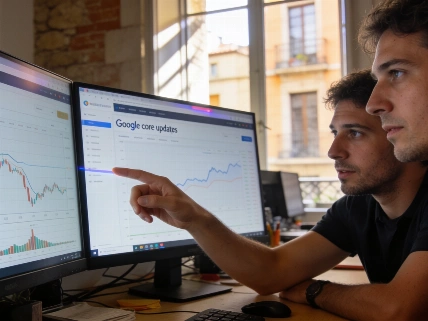
Months can pass before a site recovers from a Google core update-if it recovers at all. Internal quality signals now decide which publishers claw back traffic and which vanish. The four pillars of content quality are measurable, and the recovery clock is unforgiving.
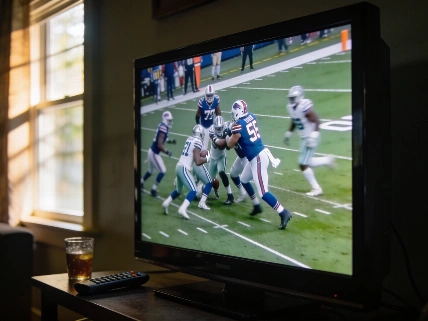
NFL games are drawing bigger crowds and more advertising revenue. Viewership is up 4 percent, and national TV ad revenue has reached $1.6 billion in four weeks.
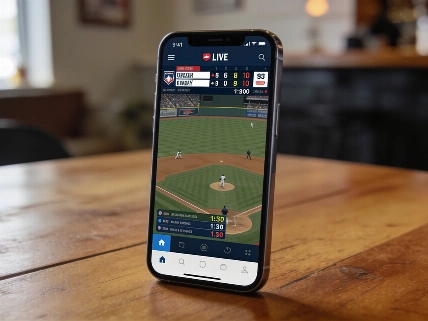
X is rolling out its Gametime hub for Major League Baseball, aiming to pull in sports fans and advertisers with live stats and creator-driven coverage.
Google’s new take on content effort throws out word count and time spent. Only what users see and gain on the page matters. Publishers must show real value or risk losing ground.
More than 800 USA Today Co employees are demanding an end to the Palantir partnership. Executives claim the deal is safe and vital. The standoff lays bare deep divisions over AI and newsroom power.
Google now lets advertisers preview up to 10 AI-generated headlines and descriptions in half a minute before Search ads go live. The tool promises tighter oversight and a shot at fewer brand slip-ups.