Delicious Returns to UK Newsstands Under New Licensing Deal
The first issue under Anthem Publishing’s deal with News Corp went on sale October 21. The relaunch brings back a title whose 2024 ABC-registered print circulation averaged 36,628.


Substack says its Notes feed drove more than half of the paid subscriptions generated on its app in the past six months. The Ringer’s writers are using that network to sell newsletters while the company keeps its website free.
The Council Presidency can now negotiate with Parliament. The European Publishers Council says the text still gives publishers too little flexibility to use first-party data to fund independent reporting.
Publishers looking beyond advertising and subscriptions are seeking diversified revenue. Editor & Publisher’s interviews with three media executives outline that focus but do not specify which new revenue streams they plan to pursue.
Semafor says its growing live-event operation is helping sustain a profitable business built largely on corporate sponsors.
YouTube is discussing licensed titles with major publishers, with a launch possible as early as 2027. The service could come with Premium or cost extra.
Nikkei says 95 editors now use SCOPE daily. The publisher links AI-assisted stories to 50 paid online subscriptions from July through September 2026, though it has not tied those sign-ups to individual articles.
The Oct. 20 launch gives CNN its first overseas test for All Access. The plan also lets advertisers reach logged-in subscribers.
Slate is drawing on its 1996 homepage as it rethinks the design for 2026. The anniversary campaign also offers a year of access for $19.96.
Boston Globe Media reports early programmatic revenue gains, but the figures have not been independently verified. Freestar manages monetization across three BGM properties, freeing engineering capacity while putting the reader experience under pressure.
Sinclair is taking its local TV news to Substack as a daily video podcast. The National Press pulls top stories from 178 stations, with New Media and Substack at the center of the launch.
The Atlantic’s CEO has launched a high-profile AI podcast that’s stirring up conflict inside the magazine. Staff warn the business-driven show threatens editorial independence. The fallout exposes deeper risks for publishers chasing new revenue.
Subscription revenue now dwarfs ads at Hell Gate. The worker-owned newsroom is pushing new tactics to convert free readers as subscriber growth slows. Can transparency and tax credits keep the business sustainable?
Journalists in nonprofit newsrooms are spending more time chasing grants than reporting. New research reveals how funding priorities are reshaping local journalism and straining newsroom independence.
AI search is draining publisher traffic. Media leaders are moving fast to build direct ties with readers, betting on creators and newsletters to keep revenue alive.
A coalition of top news organizations is seeking summary judgment against OpenAI and Microsoft, accusing them of massive unauthorized copying to fuel AI products. The case exposes the high-stakes battle over the future of journalism and AI.
The New York Times is reviving seven historic ads in a new campaign, showing how brands and journalism have changed together over nearly two centuries.
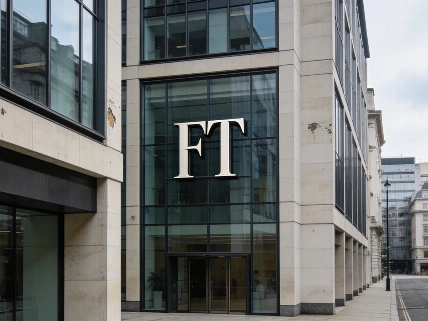
Financial Times Group has broken new ground. With over 3.5 million paying users and a sharp jump in operating profit, the company is rewriting the rules for digital news.
A Boston Globe Magazine story about a Western Massachusetts lesbian bar’s mask rules brought in thousands of new subscribers in just three days, showing the pull of sharp local reporting.
A 103-year-old media group is turning to intellectual property and niche events to find new readers. Can this strategy keep journalism strong and help the business grow?
AI companies now face strict demands from publishers who want fair value and control. The New York Times spells out its hard rules for any AI licensing deal.
Axel Springer’s plan to honor Peter Thiel has set off a backlash inside its newsrooms. The move puts the company’s press freedom stance at odds with its choice to celebrate a figure known for fighting the media.
Internal records show OpenAI and Microsoft saw the risk their AI posed to publishers. Executives talked about a 'doom loop' and the scale of content scraping. The lawsuit lays out how much the companies knew about the possible damage.
Axios has surpassed its 2026 revenue goal ahead of schedule and is launching Axios Direct, a set of content feeds built for AI models and personal agents. The move marks a shift in how publishers approach monetizing AI-driven news consumption.
Top executives at OpenAI and Microsoft have acknowledged that their AI products are drawing readers away from publisher sites. Newly unsealed court documents reveal these statements, intensifying concerns about generative AI’s impact on the publishing industry.
AI is reshaping local newsrooms. Star News Group’s Paul Thomas wants advertisers to treat local journalism as social impact capital. Can new funding models save regional reporting?
AI-driven search is eroding publisher traffic. Google is testing direct payments for content used in Gemini and AI Overviews. Publishers are scrambling for new ways to monetize non-subscribers.
Subscriber growth outpaces print decline at Newsquest. Digital revenue jumps while staff cuts hit sales and editorial. BBC competition and AI adoption drive new strategies.
Subscriber signups from Google are rising even as overall referrals fall. The Atlantic’s CEO reveals why fewer casual visitors may be a win for the business.
A leaked staff meeting laid bare the depth of Business Insider’s SEO traffic collapse. Executives are now moving quickly to shift away from old audience models.