Reader Donations Reshape Local Newspaper Revenue Models
Local newspapers are tapping reader donations to offset falling ad and subscription revenue. This shift brings new ethical and operational challenges for publishers.


News leaders say translating impact for different groups is a major challenge. Many can show results, but struggle to communicate them to funders, boards, or communities. Gaps in messaging-not evidence-are common.
Independent news outlets in Scotland warn of being left behind. The UK and Wales invest in local journalism, but Scottish publishers are excluded. Calls grow for a dedicated Scottish Local News Fund.
A shift to fewer towns and premium ads is set to bring Nub News its first profit. The publisher expects £7,500 in profit for 2026 after closing 17 locations and focusing on sustainable growth.
News leaders and experts will gather to rethink local news for a digital era. The American Press Institute aims to address news fatigue and avoidance. The focus is on building trust and supporting informed communities.
Free-distribution community papers in Wisconsin will now be supported by the Wisconsin NewsMedia Association, which is taking over the programs and assets of the dissolving Wisconsin Community Papers Association. The move aims to maintain advocacy and services for local publishers.
A $5 million investment will bring Village Media’s local news model to 15 US cities. The rollout starts in Wisconsin and aims to strengthen community journalism. Each newsroom will be locally staffed and focused.
Lodestar Media boosted its traffic by syndicating evergreen content from Stacker. The publisher kept reporters focused on local news while doubling pageviews and streamlining editorial workflows.
A new AI-backed venture is investing heavily in local journalism. State Affairs is placing reporters in statehouses, challenging industry trends. The company has secured $70 million from major Silicon Valley investors.
Traditional newsroom training roles are vanishing as smaller stations consolidate. Fewer entry-level positions and changes in journalism education are raising concerns about the future of newsroom skills.
AI-designed flyers are appearing in restaurants, stores and community spaces. Readers say the results are often confusing or off-putting, and some have urged businesses to stop using them.
Nonprofit news outlets face new challenges as audience habits shift. Leaders at INN Days 2026 shared strategies for connecting with readers, especially younger generations. Algorithms and shifting news demand are reshaping editorial priorities.
Dozens of Illinois news organizations received millions in state tax credits to help retain and hire journalists. Nearly $700,000 remains available for additional hires, and both major and small outlets benefited.
Americans’ trust in local news is slipping as perceived value falls, and partisan gaps are widening. Fewer people are turning to traditional outlets, raising questions for publishers.
A recent Pew Research Center survey finds that 23% of U.S. adults have spoken with a local journalist. Education and income, along with community ties, shape who gets interviewed.
Independent publishers are leveraging new production tools to scale efficiently. Dean Cook outlines how fixed-cost workflows and hybrid print-digital strategies are reshaping local media. Distribution and technical compliance remain critical.
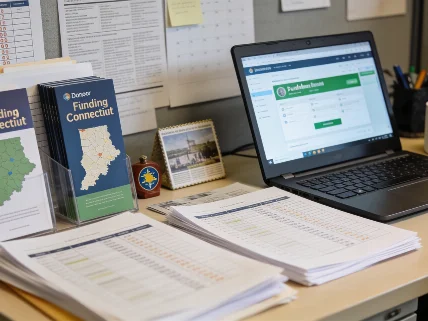
Local newsrooms are raising more through local matches than national programs provide. CT Mirror shares its approach to building sustainable community funding. Planning and targeted outreach lead results.
Nearly 400 local publishers have taken legal action against OpenAI and Microsoft. The lawsuit claims their news content was copied to train AI tools without consent, raising new questions about copyright and the future of local journalism.
Local TV advertisers can now target individual households. Viamedia.ai and Hearst Television have tested dynamic ad insertion on select stations, bringing data-driven targeting to broadcast streams.
Mirror Indy is giving young people a platform to share stories from their neighborhoods. Its new Kid Correspondents program brings humor to community reporting in short-form video.
Book review sections are vanishing from major newspapers. One Cambridge bookstore is filling the gap by publishing in-depth reviews on its own site. The move highlights new roles for indie retailers in book discovery.
A new metric is helping Swedish local newsrooms focus on quality engagement. The Core Model tracks subscriber interaction and content performance, supporting growth and collaboration. Early results show a sharp rise in digital subscriptions.
A major US news publisher is growing its local footprint. Axios is adding two more city-focused newsletters, aiming to deliver concise, impressive updates directly to readers’ inboxes. The expansion reflects a shift in how local news is produced and consumed.
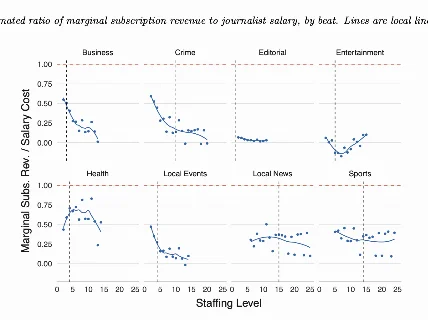
Local newsrooms hoping to boost digital subscriptions should focus on hard news. Politics and public health stories convert readers better than entertainment. Yet, even these high-value articles rarely cover their own costs. The business model remains fragile.