Google Enables Default AI Training With Your Search Media—Here’s How to Opt Out
New privacy controls let users block their search media from AI training, but the setting is on by default. Here’s how to manage your data before it’s used for years.


Embedding a site’s content in iframes on other domains can affect how browsers display it, but a direct impact on search rankings has not been verified. The warning attributed to Google’s John Mueller remains unconfirmed; technical guidance explains which security headers control embedding.
Industry leaders share actionable SEO strategies for consistent results. Learn how to address uncertainty and adapt to new tools, while rethinking your approach. Discover what’s driving change in search today.
A new research paper details Google's approach to identifying AI-generated spam. The system focuses on video content but points to broader web applications. Anti-spam efforts are shifting toward generative AI threats.
A UK regulator now requires Google to show how it uses web content in AI search. Publishers, including retailers and brands, gain new use, but must act to control their data.
Major updates are coming to Google Search. New AI-powered features, a GEO proven methods guide, and user profile controls are rolling out. Industry voices and community insights are also in the spotlight.
A major update to Google Search Console introduces AI-specific metrics, allowing site owners to track impressions tied to AI features. Experts also debunked common SEO myths at the Milan event.
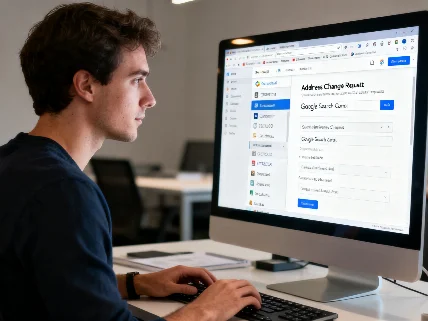
Site owners migrating to a new area must now submit address change requests for every subdomain, including both www and non-www versions. Google’s updated guidance aims to prevent indexing issues during area moves.
New Similarweb data shows sharp differences in Google search behavior across six countries. EU rules and local habits may shape click rates. Find out which countries have the highest zero-click rates.
Site owners managing international content face a basic decision. Google’s John Mueller says US-specific folders do not affect SEO. Folder choice may help with analytics, but rankings remain unchanged. Here’s what matters for multinational sites.
AI-related files like LLMS.txt won’t affect your site’s visibility. Google updated its guidance to clarify that these files are ignored in Search. There’s no need to create special AI files for ranking. Here’s what changed.
A blank help document briefly appeared in Google Search Console, hinting at a possible new tool or report. The page, titled Platform property tooltips, was quickly removed after inquiries. Details remain unknown.
Some users are seeing new visual changes to search result URLs. Dotted underlines and shaded backgrounds are being tested. The update affects both organic and sponsored snippets. Google has not confirmed a wider rollout.
UK regulators have ordered Google to let publishers control how their content appears in AI search features. Google will test new tools for website owners. The move follows publisher complaints about traffic loss and lack of transparency.
A new study from Sparktoro and Similarweb reveals that the share of Google searches resulting in clicks to the open web has dropped sharply, with AI-generated answers accelerating the decline.
Google is testing a Search Console toggle that lets sites block AI-generated search results. The move starts in the UK, with a global rollout planned. Publishers gain new leverage as regulators push for fairer content deals. This shift could reshape referral traffic and negotiation dynamics.
UK news publishers just got a major boost. The CMA’s new rules for Google Search could reshape how content is valued and paid for. Industry leaders say this is a turning point. Will it finally mean fairer deals for original journalism?
Googlebot now scans JavaScript for potential links, even if they’re not real. This can lead to unexpected URLs being indexed. Publishers may see 404 errors from these phantom links. Understanding this behavior is crucial for content creators.