Only 32% Trust News Outlets to Report Midterm Results Accurately
A survey of 1,057 U.S. adults found 32% have high confidence in election coverage and 37% have little or none. Confidence in journalists also varies sharply by party.
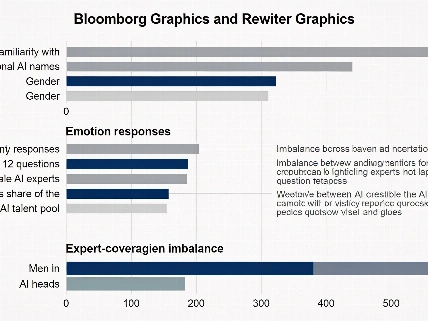
In a Harvard survey, men were more likely to claim familiarity with fictional AI executives. The findings also show women were more likely to say they were unsure.
Marketers face a crisis of confidence as more data and AI tools create confusion instead of clarity. New research shows trust in measurement is falling fast.
Marketers are sticking with agencies longer, but hourly fees are fading fast. New WFA data shows a sharp move toward paying for results, not time.
Marketers are seeing the weakest blog performance in over a decade. AI is everywhere, but skipping core strategies is what’s really tanking results. Here’s what the latest Orbit Media survey reveals.
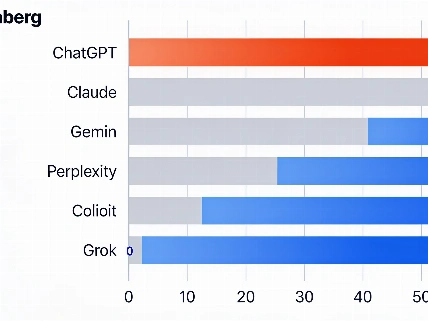
AI models are far more likely to search for brands they already recognize, according to new research. In nearly two-thirds of brand-specific queries, the top five familiar brands were favored. The findings raise questions about fairness in AI-driven discovery.
An AI-driven survey ranks 112 major German brands by trust and preference. dm and Lindt lead, while Bild, Temu, and Deutsche Bahn sit near the bottom. High ad spend does not guarantee brand loyalty.
A new report highlights Reddit's growing role in women's health. Unfiltered discussions and AI tools are changing how women seek information. Brands are urged to adapt to this evolving content journey.
A new Pew-Knight Initiative study groups Americans into four civic engagement profiles. The research highlights differences in political, social, and news participation. Age and party lines influence these patterns.
Marketers report nearly half of AI-generated content contains errors each week. Fact-checking is now a major part of digital workflows as platforms like ChatGPT, Claude, and Gemini face scrutiny for subtle and serious mistakes.
A study based on interviews with 14 journalists in Singapore finds that AI tools may erode foundational reporting skills while increasing the need for fact-checking and editing, with originality also at a premium. The findings add to a growing debate over how automation is changing newsroom work.
A new survey shows more Americans are watching the World Cup, with interest rising especially among younger and Hispanic audiences. Brand sponsorships are also gaining traction.
A recent Pew Research Center survey finds that 23% of U.S. adults have spoken with a local journalist. Education and income, along with community ties, shape who gets interviewed.
Executives are struggling to identify reliable information as AI-generated content and misinformation rise. Most now verify data across sources and demand evidence before making decisions. Trust in AI remains low.
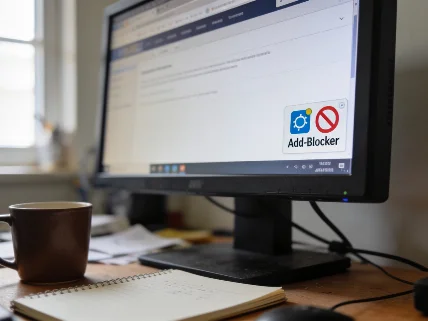
New research finds that ad-blocker users spend 66% more online than non-users. They are also more likely to pay for digital content and subscriptions, challenging industry assumptions about their value.
FT Strategies and WAN-IFRA surveyed newsroom leaders in 86 countries. The study shows how publishers are changing strategy for AI and audience needs. Key gaps in skills and trust are slowing progress. The report highlights newsroom innovation worldwide.