
Editorial Standards
12 articlesThe article mix can draw on policy changes, alternatives research, keyword research examples, buyer guides and feature tests. Those formats work together when they show the change, the context and the practical choices surrounding it.
Related material around Editorial Workflow, Fact-Checking, Breaking News, Headline Testing makes the reading path more complete. A visitor can start with one update and continue into analysis, guides or comparisons.

Why Journalism Needs Clear AI Disclosure Rules Now
AI is reshaping how stories are written, edited, and published. Newsrooms face tough questions about transparency, bylines, and the line between human and machine. Standards are evolving fast.

CBC Criticized for Policy on 'Terrorist' Label in 9/11 Coverage
Canada’s CBC is under fire for telling reporters not to call the 9/11 attacks 'terrorist attacks.' The broadcaster says it wants to avoid politicized language, but critics argue this guidance downplays the tragedy and its victims.

Transparency Drives Audience Trust in AI-Assisted Newsrooms
A new study in Chile finds that readers care more about transparency and human oversight than about whether AI is used in journalism. BioBioChile’s approach offers a model for ethical AI disclosure.
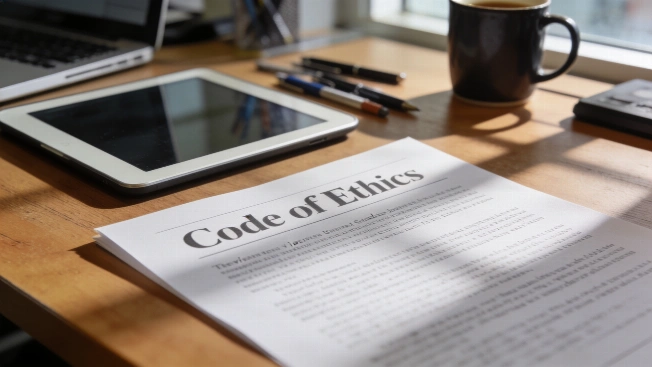
SPJ Unveils Proposed Ethics Code Updates for AI-Driven Newsrooms
A major journalism group has released proposed changes to its ethics code. The revisions address misinformation, AI-generated content, and digital verification. Members will vote on the updates this October.

News Unlocked Initiative Lifts Curtain on Editorial Standards
A new project opens newsroom doors to show how trusted journalism is made. News Unlocked features behind-the-scenes footage and insights from major Australian publishers. The goal: help audiences see what sets professional reporting apart.

Jagran New Media Integrates Google AI to Boost Newsroom Output
A major Indian publisher has embedded Google’s generative AI into its CMS. The move aims to speed up content production while maintaining editorial quality. Early results show higher efficiency and audience growth.

IPSO Sides With Public in Most UK Press Complaints
UK press regulator IPSO resolved most complaints in favor of the public last year. Over 6,500 complaints and enquiries were filed, with accuracy and discrimination leading the issues.

How Publishers Can Win Trust in a World of Misinformation
Audience skepticism is rising as misinformation spreads online. Publishers now have a unique chance to become trusted sources. Ethical journalism and transparency are key to building lasting trust.

USA Today Pushes for Data-Driven AI Evaluation in Newsrooms
USA Today's Jessica Davis says newsrooms must measure AI performance, not rely on intuition. She shares a framework for evaluating AI tools and explains why human oversight alone cannot scale. Her approach aims to build trust and speed up production.

How Newsrooms Can Responsibly Handle Trump’s Most Extreme Posts
Trump’s latest Truth Social outburst left editors scrambling. Newsrooms face tough choices on coverage standards. The stakes for credibility and audience trust have never been higher. Here’s what every publisher should consider right now.
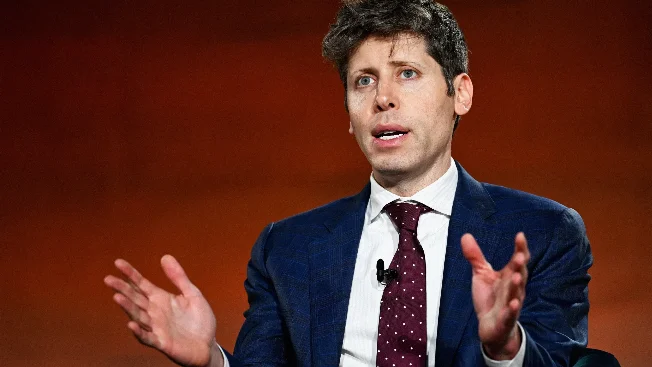
AI News Startup Nota Shuts Down After Plagiarism Scandal Hits Local Sites
AI-driven publisher Nota abruptly closed its local news network. Investigations revealed widespread plagiarism from regional outlets. The shutdown impacts underserved communities. Media professionals now question AI’s role in original reporting. Industry trust faces new challenges.

Agentic AI Tools Are Reshaping Workflows and Raising the Stakes
Agentic AI is moving from novelty to necessity. Tools like OpenClaw, Antigravity, and Claude Cowork now automate complex tasks. Their rapid adoption is changing how content creators and professionals work. But new risks and responsibilities are emerging. The future of work is being rewritten in real time.