Dietmar Schantin Draws a Human Line Around AI Journalism
In the first four months of 2026, 68% of U.S. Google searches ended without a click. Schantin argues that publishers’ value depends on editorial choices a named person can answer for.
A Daily Mail test lifted one brand’s visibility in selected AI answers from about 50% to nearly 75%. Publishers are selling that kind of exposure even as its impact on sales remains hard to measure.
Police websites appeared in 95.9% of crime answers in Searchable’s study. Local news sources made up just 0.9% of sources ChatGPT used for local queries.
Google search referrals to news sites fell an estimated 40% year over year by October 2026, while AI chatbots still send publishers just 0.01% of traffic. The business is shifting toward loyal audiences, licensed access and reporting machines cannot reproduce.
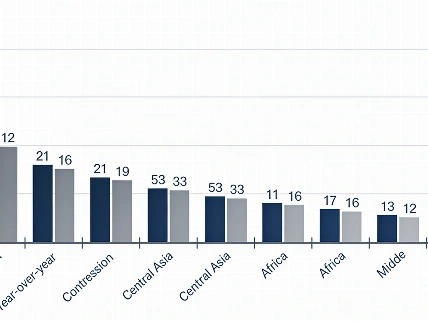
North American publishers got 12% of page views from search in Chartbeat’s Q3 2026 data, down from 21% a year earlier. The report does not identify the cause or say whether its website sample stayed consistent.
Automated AI bots are extracting more content from publisher sites. New data shows European publishers face higher scraping rates. Referral traffic from AI systems remains minimal.
Indian publisher NDTV is investing in AI tools that enhance newsroom workflows and audience products. The company prioritizes building unique software and data layers over relying solely on generic AI models. Editorial teams remain central to the process.
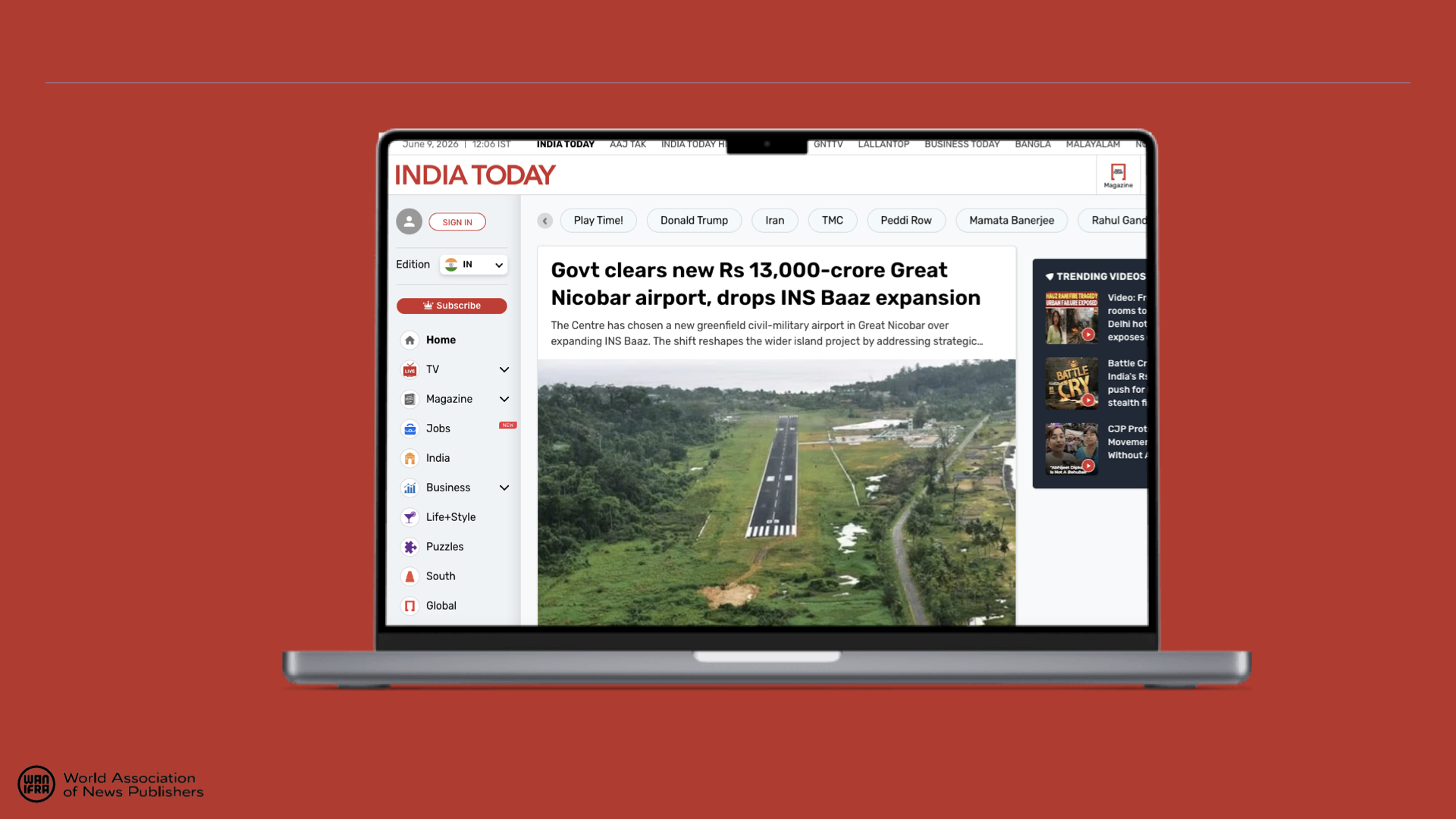
India Today is piloting Audipulse, an AI system designed to forecast audience engagement before stories go live. The tool analyzes past data to guide editors on timing, format, and content. Early results show higher prediction accuracy than manual methods.