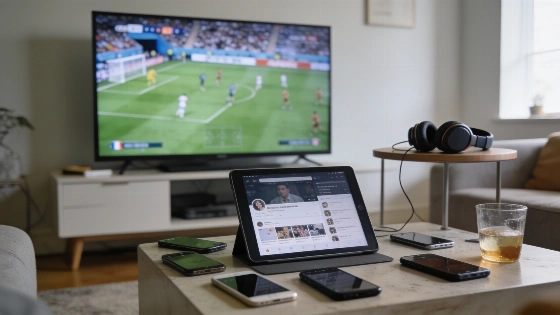
Young Americans are watching much more sports than before, but not in the way traditional broadcasters expected. According to new data from Hub Entertainment Research, viewers aged 13 to 17 are watching 50% more sports on TV than they did a year ago. But the real change isn’t just about more people tuning in-it’s about how and where they’re following the action, and what that shift means for publishers and rights holders.
Hub Entertainment Research surveyed 3,814 U.S. sports fans aged 13 to 74 in July 2026, providing a robust basis for cross-generational analysis of viewing habits.
Jon Giegengack, principal at Hub, describes a fan base that’s more fragmented but also more engaged. Sports loyalty now shows up as YouTube streams, group chats during games, and real-time stat tracking on social media. The old routine-planning a Sunday around kickoff-has given way to something different: young viewers watch the game on TV, then spend the rest of the week catching highlights, memes, and commentary from creators across platforms.
According to Hub Entertainment Research, 65% of social media posts made by fans aged 13 to 34 during live games are directly related to the game they are watching, while among fans aged 55 to 74, only 29% of posts are game-related. This highlights a significant generational difference in how live sports are discussed and shared online.
For rights holders and sports publishers, the message is clear. The industry can’t count on appointment viewing or exclusive rights on linear TV. To keep young fans, sports brands need to spread their content across platforms, formats, and creator partnerships. The days of controlling the story from a single broadcast booth are gone. Now, the conversation happens in real time on group chats, TikTok, and YouTube channels run by creators.
Hub’s July 2026 survey of 3,814 U.S. sports fans aged 13 to 74 leaves little room for nostalgia. Publishers who don’t adapt risk losing both relevance and revenue to faster-moving competitors who understand that fandom now lives across multiple platforms, all the time.
For the business of sports content, the takeaway is straightforward. The next generation of fans isn’t waiting for legacy media to catch up. They’re already building their own spaces, powered by creators, social feeds, and constant interaction. Publishers and rights holders who want to stay relevant will have to give up the idea of control and learn to work within this new, scattered landscape. Those who move quickly stand to win not just attention, but the loyalty-and spending-of the most sought-after audience in sports.