
Link insertions have become a popular, lower-cost alternative to guest posting for those seeking backlinks. But data from a database of 421,259 sites shows a steep tradeoff: insertions average $179, less than half the $461 average for guest posts, yet are overwhelmingly available only on low-quality sites.
Just 62,916 sites (14.9%) in the database offer link insertions, compared with near-universal guest-post availability. The lower price reflects the lighter workload: insertions add a link to existing content instead of requiring a publisher to commission and produce a new article. The numbers also reveal a clear quality gap.
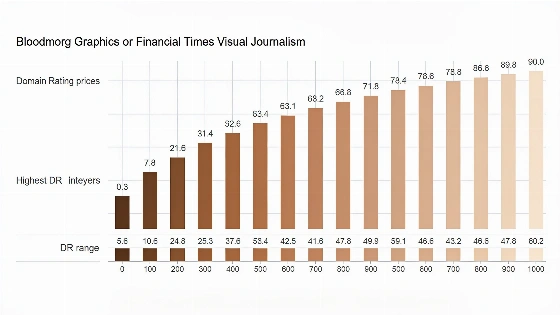
By Ahrefs’ Area Rating (DR), the lowest-tier sites (DR 0-9) charge an average of $113 per insertion, while the rare high-authority sites (DR 80+) demand $461. High-DR options are extremely limited: only 120 sites in the database fall into this top bracket. Prices rise with authority, but premium placements remain scarce. DR is a third-party SEO metric, not a certification of readership or editorial standards, nor an endorsement by search engines. It is best considered alongside traffic, topical relevance and a site’s publishing practices.
Traffic data tells a similar story. Most sites offering insertions (27,722) have fewer than 100 monthly organic visits and charge an average of $137. Only 355 sites with more than 100,000 monthly visits offer insertions, at an average price of $510.
Sports sites are the most expensive for link insertions, averaging $345 across 2,100 sites. Other high-priced categories include Pets & Animals, Education, Tech & Science, and Travel, all clustered around $167-$169. At the other end, Law & Government sites are the cheapest at $126, followed by Health & Wellness, E-commerce & Shopping, and Marketing & Advertising, all under $146.
Quality remains the biggest challenge. Under the study’s tiering system, 97.5% of link insertions are available only on “Low Quality” sites, those with fewer than 10,000-40,000 monthly organic visits and a DR below 40. Only 143 sites in the entire database qualify as High or Top Tier and offer insertions. Top Tier insertions average $778, nearly seven times the price of low-quality placements.
News sites show the same pattern: just 14.5% offer insertions, and fewer than 1% of those are in the High or Top Tier. The premium publications most valued by digital PR professionals are almost entirely absent from the paid insertion market.
The price gap matters, but payment alone does not determine whether a placement violates search policies. Google identifies links created primarily to manipulate search rankings as link spam, while paid advertising links can be used when properly qualified. Its link-spam policy makes ranking intent basic to the distinction. Google recommends rel="sponsored" for paid placements and also accepts rel="nofollow". These attributes identify a commercial link rather than an ordinary editorial endorsement. Since September 2019, Google has treated them as hints when evaluating links.
A paid insertion may still bring referral traffic or help readers find relevant information, but sellers should not promise ordinary ranking credit for a link marked sponsored or nofollow. This matters especially when adding a commercial link to an older article: the placement should fit the page’s subject and editorial context, and its commercial nature should be handled transparently.
Link insertions can be useful in relevant, authoritative content, but most marketplace offerings in the database fall short of that standard. Real value comes from securing placements on quality sites through direct outreach and genuine editorial relevance, not from buying low-cost links on low-traffic domains.
For those considering link insertions as part of an SEO strategy, quality matters more than quantity: assess a site’s audience and topical fit, examine its outbound-link patterns, and pitch a compelling reason for inclusion. A high price does not guarantee editorial quality, just as a low price does not by itself establish a policy violation. The placement’s purpose and disclosure matter alongside its cost, as does how the link is qualified.








