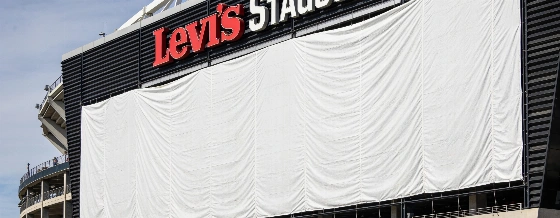
A simple tarp at Levi's Stadium sparked a viral campaign. The brand turned FIFA's branding restrictions into a global marketing win. Sales and visibility surged as a result.
Levi's transformed a compliance move at Levi's Stadium into a global marketing success, capturing the attention of content and publishing professionals. By covering its name with a plain white tarp to meet FIFA's branding rules during the World Cup, the company generated over 1 billion social media impressions-its highest ever for a campaign. This unexpected visibility not only boosted brand awareness but also led to new product opportunities, including limited-edition T-shirts featuring the redacted logo, now available in stores worldwide.
Michelle Gass, CEO of Levi's, credited the company's agile marketing team for quickly capitalizing on the moment. She said the team recognized the viral potential of the tarp videos and rapidly expanded the concept across global retail locations. The campaign's success was reflected in Levi's second-quarter earnings, with revenue rising 8% to $1.6 billion and operating income increasing to $164 million, both surpassing Wall Street expectations. The company also raised its full-year sales forecast to between 7% and 7.5% growth.
Other brands also benefited from similar ambush marketing tactics during the World Cup. Gillette used shaving-cream imagery to obscure its stadium branding, while Apple's Beats by Dre and Heinz saw increased attention when their logos were covered up by tape or props. These incidents, often described as examples of the "Streisand Effect," drew more attention to the brands than if their names had remained visible.
Levi's reported strong performance in the Americas, with sales up 9%, and highlighted growth in the women's category, which rose 11%. The company also noted a 40% increase in revenue from its Blue Tab luxury jeans line and a 16% sales gain at Beyond Yoga, which is expanding into new lifestyle categories. Gass emphasized that brand marketing remains Levi's main competitive advantage, allowing it to stay at the center of cultural moments worldwide.
Levi's World Cup campaign echoes broader strategies seen among major brands leveraging global events for earned media. For example, Unilever recently mobilized tens of thousands of creators for its own World Cup push, as detailed in this report on Unilever's influencer-driven campaign.
Founded in 1853 and headquartered in San Francisco, Levi Strauss & Co. is one of the world's largest apparel companies. As of 2025, the company reported annual revenues exceeding $6 billion and operates in more than 110 countries, with a workforce of over 15,000 employees worldwide.