A record 50,000 creators are powering Unilever’s World Cup push. The brand’s strategy includes global influencer activations and large-scale pop-up events in host cities. Unilever aims to boost earned media and brand engagement.
Unilever’s World Cup campaign is reshaping how major brands leverage creator marketing at scale. For professionals focused on audience growth and content monetization, the company’s approach offers a real-time case study in orchestrating global influencer networks to drive brand visibility and engagement during a marquee sports event.
After announcing plans to dedicate half its media budget to social and creator marketing, Unilever set out to activate tens of thousands of creators for the FIFA World Cup 2026. The company’s strategy spans mega-influencers such as soccer star Trinity Rodman and hyperlocal micro-creators, all working to amplify Unilever’s personal care brands across digital and physical channels.
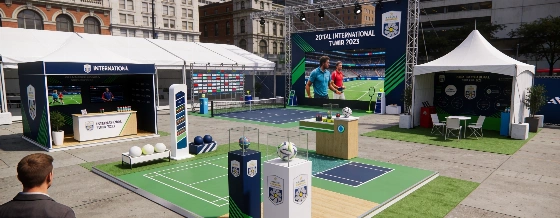
According to Unilever, the campaign has now mobilized 50,000 creators and influencers worldwide. Thousands have participated in House of Fresh-branded pop-up events in New York City, Miami, and Mexico City over a 10-day period. The brand has also brought top influencers pitch-side to World Cup matches, aiming to maximize earned media and real-time social buzz.
This large-scale creator activation reflects a broader shift in how brands approach influencer partnerships. As seen in other recent campaigns, such as Lipton’s local influencer strategy, companies are increasingly relying on distributed creator networks to scale content and reach diverse audiences. For more on how brands are adapting their creator marketing playbooks, see this analysis of Lipton’s approach to regional influencer partnerships: how Lipton leverages local creators for multi-market content.