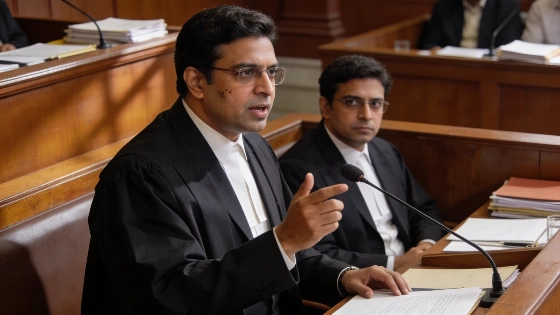
Among the 21 publishers challenging India’s Digital Personal Data Protection Act, 2023, and its implementing rules are companies owned by Mukesh Ambani and Gautam Adani. The Digital News Publishers Association (DNPA), which represents the publishers, filed its petition on October 6. On October 27, a three-judge Supreme Court bench comprising Chief Justice Surya Kant and Justices Joymalya Bagchi and V. Mohana issued notice to the Union government on the challenge and the publishers’ application for a stay. At the hearing in New Delhi, the groups said some provisions could change the concept of news and force newsrooms to close.
The publishers argue that the law could trample on investigative work and allow the government to identify journalists’ sources. They say the structure has no clear journalistic exemption and could require newsrooms to obtain consent from people they investigate, remove published reports after requests, or risk revealing confidential sources. The DNPA’s 21-member coalition includes The Hindu, The Times of India, The Indian Express, Mathrubhumi, Manorama, India Today, NDTV and Network18. The publishers have described the risk as a “regime of pre-censorship,” as Supreme Court Observer reported.
The petition also contests Section 36 of the Act, read with Rule 23 and the Seventh Schedule of the rules. Those provisions allow the Union government to require organizations handling personal data to furnish information; the publishers argue that this could reach information connected with journalistic work and confidential sources. Their concerns focus on whether people mentioned in reports could invoke consent, correction or erasure rights against publishers. Reuters reported that the publishers are seeking to quash most of the contested provisions before they take effect in May 2027.
The Supreme Court’s notice sought a response from the government; it was not a ruling on the law’s validity. The court did not immediately stay the challenged provisions, and the matter was listed for further proceedings on November 17, 2026. Separately, the Reporters’ Collective and Digipub have also challenged the legislation.
The dispute joins other publisher-rights battles, including a separate Australian AI proposal covered by FAYFO. Reuters reported the Indian publishers’ challenge on Monday.