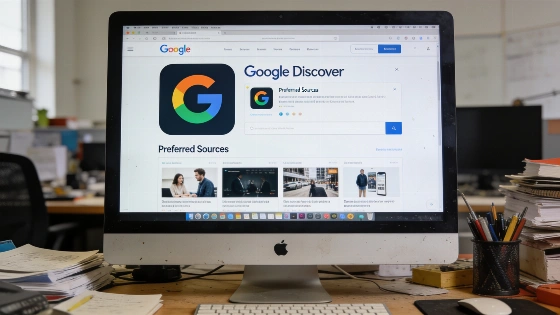
New tools to consider as Google introduces a set of personalization features across its search, discovery, and news products. The company’s latest updates are designed to give both users and publishers more direct control over how content is surfaced and followed, potentially shifting how audiences engage with news and information online.
Among the most notable changes is a “Preferred Sources” button that publishers can now embed directly on their websites. This feature allows readers to follow a publisher on Google without leaving the publisher’s page, streamlining the process and reducing friction for audience retention. For publishers, this could mean a more seamless path to building loyal followings within Google’s ecosystem.
In the Discover tab, users gain the ability to fine-tune their content feeds using natural language through a new chat interface. This conversational approach lets individuals specify the types of stories or topics they want to see more or less of, making the feed more responsive to personal interests. For marketers and content strategists, this shift toward user-driven curation may influence how content is surfaced and distributed.
Google News on Android now offers customizable daily audio briefings by topic, catering to users who prefer listening to news updates. This addition reflects ongoing efforts to meet diverse content consumption habits and could open new opportunities for publishers to reach audiences through audio formats.
While Google has experimented with personalization since launching Google Personalized Search Beta in 2004, these latest features represent a significant step forward, according to industry observers. Laurie Sullivan, MediaPost’s lead reporter on Google and search, rated the importance of these updates as a 7 out of 10, noting that while the advancements are meaningful, there is still room for further improvement. She emphasized that making it easier for users to discover preferred sources is valuable, but the ability to surface unexpected or serendipitous information remains important.
For advertisers, the automation and AI-driven nature of these personalization tools could make it easier to reach less tech-savvy consumers, as the system increasingly handles preference setting and content delivery behind the scenes. The integration of publisher partnerships, such as the one-click follow button, further reduces manual steps for users and may help publishers capture more engaged audiences.
Some users may not be drawn to features like audio news briefings, but the expanded options reflect Google’s approach to letting individuals tailor their experience according to personal preference. This aligns with broader trends in digital media, where platforms are seeking to balance automation with user agency.
These developments come as newsrooms and publishers continue to adapt to evolving technology and audience behaviors. The importance of effective personalization and verification tools has been highlighted in recent industry discussions, such as those examining the limitations of AI-driven fact-checking in newsrooms. For example, a recent analysis explored how many authentication tools lack direct journalist input, underscoring the need for collaboration between technology providers and editorial teams (recent analysis on newsroom verification challenges).