A massive study of 15.7 million AI Mode citations uncovers how Google highlights and reuses specific passages, not just URLs. The findings show which content structures get cited-and recycled-across hundreds of queries.
When users click a citation in Google’s AI Mode, they’re taken not to the top of a page, but directly to a highlighted passage-typically about 117 words-marked in purple. This subtle shift means Google isn’t just referencing a URL, but a specific chunk of text. Over the past year, analysis of 15,699,298 AI Mode citations across 148 industries revealed that nearly half (47.7%) used scroll-to-text highlights instead of standard links.
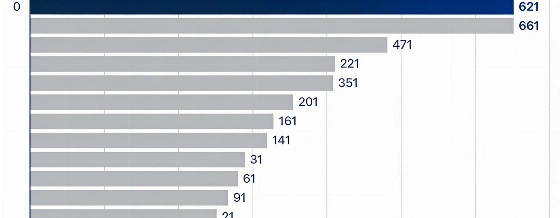
This passage-level focus changes the game for content creators. Instead of optimizing entire pages, the real opportunity lies in crafting passages that Google’s AI Mode wants to cite. The study found 4.6 million unique highlighted passages across 2.7 million pages. While most passages (80.9%) were cited only once, a select few-about 2,300-were referenced 61 times or more. The most frequently recycled passage appeared in 661 different citations.
What’s striking is that these high-usage passages don’t just answer one question repeatedly. The top-cited passage was used for 483 distinct queries. For example, a promotional-products retailer had a single paragraph cited for 221 different questions, while a guide on building a free HOA website was referenced in 91 separate queries. This overturns the old SEO instinct of creating multiple thin pages for similar questions; now, one strong, well-structured passage can serve as Google’s preferred answer for a whole cluster of related queries.
Ranking and Highlight Accumulation
The data also shows a strong correlation between the number of distinct highlights on a page and its organic search ranking. Pages with just one to four highlighted passages had a median rank of 11, while those with 21 or more highlights typically ranked #1-67% of them held the top spot. Among passages cited over 100 times, 76% came from #1-ranked pages. While this is correlation, not causation, it’s clear that AI Mode visibility builds on traditional SEO success, rather than replacing it.
These findings echo broader concerns about how Google’s evolving algorithms impact publishers. For instance, recent changes to snippet eligibility and review transparency, as discussed in Google’s new review snippet guidelines, show how granular content structure and trust signals are increasingly decisive for visibility.
Traits of Highly Cited Passages
To understand why certain passages get cited and recycled, researchers reconstructed over 1,000 highlighted text fragments and analyzed their structure. Four key traits emerged:
1. Full Paragraphs, Not Snippets: The median passage was a complete, multi-sentence answer-about 117 words. Google’s AI Mode prefers lifting entire paragraphs, not just one-liners.
2. Answer-First Structure: In 80% of cases, the answer appeared in the first sentence. This pattern held across both client data and the web’s most-recycled passages. Burying the answer mid-paragraph sharply reduces the chance of being cited.
3. Self-Contained Content: About 85% of highlighted passages made sense on their own, without needing context from the rest of the page. References like “as mentioned above” or reliance on earlier sections disqualified many passages from being extracted.
4. Question-Led Format: Passages that began with an explicit question-often as a heading-were recycled about twice as often as those that didn’t. Q&A and how-to formats dominated the highest-reuse tiers, while narrative explainers and standalone statistics were rarely reused across queries.
How to Optimize for AI Mode Citations
Based on these findings, content teams can take several immediate steps:
- Turn key H2s into literal questions that match user search phrasing.
- Place the answer in the first sentence under each question, followed by a full, 75-150 word paragraph.
- Ensure each answer is self-contained and understandable without surrounding context.
- Favor Q&A and how-to structures for pages you want cited; narrative formats are less likely to be recycled.
- Continue optimizing for top organic rankings, as authority and passage structure together drive repeated citations.
- Audit content passage by passage, not just page by page, scoring each section against the four winning traits.
For content teams, this shift rewards clear, well-structured writing over sheer volume. Editorial restructuring-rather than technical changes-often yields the biggest gains, and the same approach can help win featured snippets as well.