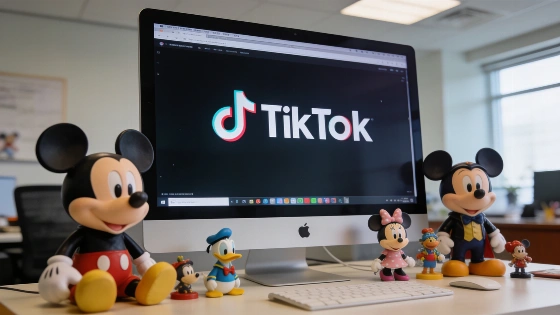
Media and publishing professionals tracking the intersection of fandom, intellectual property, and creator platforms have a new development to watch. Walt Disney has signed a deal with TikTok, granting creators the ability to produce new content using Disney characters from its movies, TV shows, and other properties. This agreement comes after a short-lived partnership with Open AI's Sora, which ended when Open AI decided to discontinue the Sora platform and redirect its resources elsewhere.
Disney's strategy aims to harness the enthusiasm of its fan base while maintaining control over how its intellectual property is used online. The company has long faced challenges with unauthorized and inappropriate uses of its characters, especially as digital tools and AI platforms have made content creation more accessible. By working directly with TikTok, Disney seeks to provide fans with official channels and tools to co-create, while enforcing guardrails to protect its family-friendly brand image.
This approach reflects a broader shift in how major entertainment companies interact with their audiences. Fans increasingly expect opportunities to engage, remix, and participate in the storytelling process. Disney's move to enable content creation within a controlled environment is designed to balance these demands with the need to safeguard its IP from misuse. However, the company acknowledges that some fans may continue to push boundaries, especially as new AI tools and large language models emerge, making it easier to generate content outside official channels.
Other platforms are also grappling with the challenges and opportunities of AI-generated content. For example, LinkedIn recently introduced a reporting tool for AI-generated posts, a move that has sparked debate among creators about fairness and the risk of misuse. This ongoing conversation highlights the complexities facing companies as they navigate the evolving landscape of user-generated and AI-assisted content. For more on how platforms are responding to these issues, see this analysis of LinkedIn's new AI content reporting feature.