A new investigative outlet is funding its reporting through coffee sales. Readers can support journalism and get fresh beans delivered. The Newsground aims for transparency and community engagement.
Media professionals tracking alternative revenue models have a new case study: The Newsground, an investigative news outlet, is using coffee subscriptions to fund its reporting. The publication, launched in March, offers free access to its stories but invites readers to pay $5 monthly for an ad-free experience or $25 per coffee shipment, blending journalism with a tangible product.
Founder Scott Stedman, based in Los Angeles, said he wanted to revive the tradition of in-depth investigative journalism while giving readers something physical to connect with. He handles reporting and writing himself, supported by a freelance editor and a video editor for multimedia content.
The Newsground’s first investigation focused on a Jeffrey Epstein associate with ties to the Russian government. Subsequent stories have examined Trump Tower developers’ involvement in online gambling in Georgia, a Russian model’s recruitment for Epstein, and the El Salvador government’s spyware use.
Stedman previously ran Forensic News, which covered national security and espionage before closing in 2023 after settling a defamation lawsuit in the UK. The case drew criticism from international organizations, which labeled it a SLAPP suit aimed at silencing critical coverage.
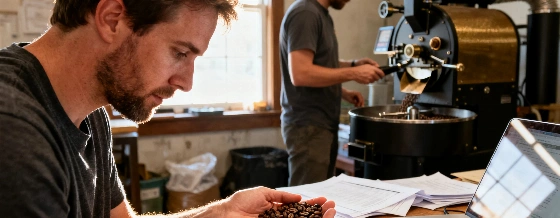
Inspired by the Midcoast Villager’s café-supported model in Maine, Stedman partnered with a Chicago roaster for The Newsground’s coffee. Each 10-ounce bag costs $25, with $13 covering production and $12 supporting journalism. The outlet currently has about four dozen paying coffee subscribers and has received $1,500 in one-time donations.
Stedman emphasized transparency about costs, aiming to reduce sticker shock and build trust. He plans to host in-person events where subscribers can sample coffee and discuss reporting, reinforcing the link between product and journalism.
He noted that coffee serves as a conversation starter and a way to foster community among readers, especially as digital spaces become more fragmented. This approach echoes strategies seen in other independent media, such as those discussed in coverage of local newsletter business models.