Tech jargon is reshaping how media and executives talk about AI and infrastructure. The rise of 'compute' as a catch-all term is changing industry language. Some say it clouds meaning and clarity.
Media professionals, AI developers, and policymakers are increasingly using the term “compute” as a shorthand for everything from processing power to data center capacity. This shift in language is not just a matter of style—it affects how technology, investment, and policy are discussed across the industry. As “compute” replaces more specific terms like “computing power” or “processing capacity,” some argue that clarity is being lost in favor of abstraction.
Originally, words like “Internet” and “software” entered the mainstream because they described new realities with precision. Over time, these terms became familiar and accessible. In contrast, “compute” has emerged as a favored term among Silicon Valley executives, AI researchers, and consultants, who now speak of “compute bottlenecks,” “sovereign compute,” and “compute dominance.” The media has quickly adopted this language, often without questioning its necessity or impact.
Critics say that “compute” is an example of jargon that obscures rather than clarifies. Unlike technical terms that add precision, such as “hardware” or “memory,” “compute” collapses multiple concepts—chips, energy, data centers, capital, cloud access—into a single, vague abstraction. This can make it harder for outsiders to understand what is actually being discussed, while insiders use the term as a marker of expertise and belonging.
The adoption of “compute” also reflects a broader trend in tech culture, where language is optimized for brevity and insider recognition. As the term spreads, it risks becoming another example of professional shorthand that enters public discourse without adding real value. This phenomenon is not unique to technology; other industries have seen similar shifts, as with “leverage” in consulting or “bandwidth” in corporate environments.
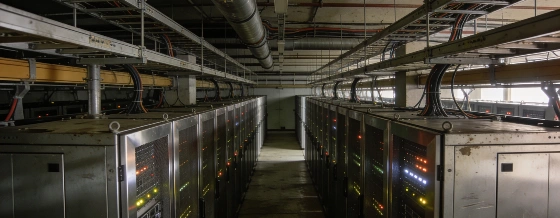
Some observers draw parallels between the rise of “compute” and the way other technical terms have migrated into everyday speech, sometimes losing their original meaning. The concern is that as language becomes more abstract, it can distance people from the tangible realities of technology—like the massive, resource-intensive data centers that power AI systems. This abstraction can also serve the interests of large corporations and investors, who benefit from language that sounds scientific but avoids specifics.
Debate over jargon is not new in media circles. Journalists themselves have adopted terms like “lede,” “nut graf,” and “kicker,” which rarely escape the newsroom. However, when tech jargon like “compute” spreads widely, it can reshape how the public and policymakers think about critical infrastructure and resources. As one recent analysis of news distribution trends noted, shifts in language can influence how audiences engage with stories and platforms, as seen in the way Reddit’s evolution has changed news publisher strategies.
Ultimately, the debate over “compute” is about more than words. It highlights the tension between precision and abstraction in professional language, and the social dynamics that drive jargon adoption. As AI and cloud infrastructure become central to the media and technology industries, the words used to describe them will continue to shape both perception and policy.