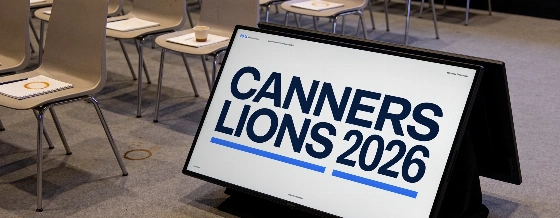
Media leaders at Cannes Lions 2026 shifted focus from AI buzz to building trust, improving data collaboration, and delivering premium experiences. The event highlighted a new approach to value across the open web.
At Cannes Lions 2026, publishers and technology executives moved past the surface-level excitement around AI, turning their attention to the fundamentals that drive value in digital media. The conversations this year centered on building trust, enhancing inventory quality, and fostering data collaboration to create a more resilient open web for both publishers and advertisers.
While AI remained a key topic, the dialogue shifted from novelty to practical application. Industry leaders discussed how technology can support sustainable business models and give advertisers greater confidence in their investments. The focus was on using AI to increase transparency, enable better decision-making, and ensure that automated systems remain accountable and adaptable.
Executives such as Mateusz Jędrocha of Adlook and Matt Salmon of PubMatic noted that the industry is now demanding both speed and transparency from AI-driven solutions. Salmon described this year as a milestone, with the concept of "agentic" technology moving from an efficiency tool to a core part of digital advertising strategy. He emphasized the need for a transparent, efficient, and direct supply chain, supported by high-quality media inventory, as automated agents become more common.
Nick Morgan of Vudoo observed a similar trend in retail media, where the conversation has shifted from AI hype to execution. He said that retailers are increasingly seeking ecosystems that can evolve through specialized partnerships, rather than relying on a single platform for all needs. Nick Henthorn of WPP's InfoSum added that responsible data collaboration is now seen as essential, with organizations focusing on connecting diverse signals while protecting privacy.
Quality emerged as a defining advantage for publishers. Robin de Wit of Refinery89 argued that the industry should look beyond AI efficiency and focus on strengthening the broader publishing ecosystem. He highlighted the importance of democratizing ad revenue and demonstrating the value of trusted audiences, especially for independent publishers. Keith Arrowsmith of Onetag and Adrien Boyer of Seedtag echoed this sentiment, noting that buyers are becoming more selective and that curation is now a central topic, with scrutiny extending to AI itself.
Another major theme was the shift in audience attention as AI changes how people discover content online. Stephen Upstone of LoopMe pointed out that the industry's key question is now where web traffic is actually going, with "open app" environments capturing engaged audiences. Retail media's growing overlap with publishing and commerce was also discussed, with Morgan noting that retailers are questioning whether a single platform can meet every need, opening the door for more flexible technology partnerships.
Creativity remains a critical differentiator for publishers. Arrowsmith highlighted experiments with new media formats, including AR and VR, to create richer experiences for audiences and advertisers. Boyer noted that discussions around major events like the World Cup focused on the impact of sustained shared attention, suggesting that publishers who understand not just who is watching but how they feel during those moments will be best positioned to help brands connect.
These shifts at Cannes Lions 2026 reflect a broader industry movement toward combining trusted content, responsible data practices, and premium media experiences-elements that AI alone cannot replicate. For more on how publishers are confronting the realities of AI-driven media buying and evolving revenue models, see this analysis of publishers facing AI revenue questions at Cannes.