Publishers at Cannes are facing tough questions about AI's impact on open web funding and the reality behind agentic media buying. Major acquisitions and new ad offerings are reshaping the conversation.
This year at Cannes, publishers are not just networking with clients and sponsors-they are grappling with urgent questions about the future of revenue in an AI-driven landscape. The focus has shifted to who will fund the open web as artificial intelligence changes how content is discovered and monetized, and whether agentic media buying offers a genuine solution or simply adds another layer of ad-tech costs.
Many publishers are now packaging and selling AI visibility, also known as GEO, to brand advertisers. This approach aims to help brands maintain prominence as AI-powered platforms increasingly shape user journeys and content discovery. The move reflects a broader effort to secure new revenue streams as traditional models face disruption.
In a significant development, Penske Media has acquired the remaining assets of Vox Media, bringing titles such as Eater, The Verge, The Dodo, Popsugar, and SB Nation under its umbrella. This consolidation signals ongoing shifts in media ownership and strategy as companies seek scale and resilience amid industry uncertainty.
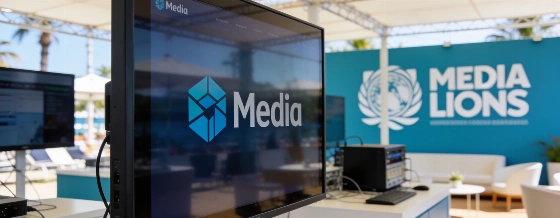
While the social atmosphere at Cannes remains lively, publishers report a different mood beneath the surface. Many see the event as a mid-year checkpoint to cut through the hype that has built up since CES, focusing on practical outcomes rather than buzzwords. The debate over agentic media buying-whether it truly benefits publishers or simply rebrands existing ad-tech fees-remains unresolved.
These questions echo broader industry skepticism about AI promises, as seen when marketers recently pushed back on empty claims in agency pitches. For example, a recent satirical video from Publicis highlighted the growing demand for substance over jargon in AI discussions.