
Major publishers are turning their high profile in AI-generated answers into new revenue streams. Executives from Time, Axios, and others shared strategies at the Cannes Lions Festival. Publishers see fresh opportunities as AI platforms reshape advertising.
Publishers with strong visibility in AI-generated answers are finding new ways to drive advertising revenue, according to executives speaking at the Press Gazette News Yacht event during the Cannes Lions Festival of Creativity. For media professionals focused on monetization and audience growth, these developments signal a shift in how editorial content can influence brand exposure on emerging AI platforms.
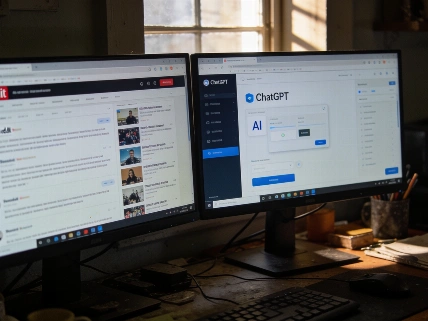
Mark Howard, chief operating officer at Time, described how the company is already commercializing a bot-readable version of its website. This stripped-down format is designed for bots and AI companies with which Time has licensing deals, allowing the publisher to feed only the content it has rights to license. Howard said Time is working with brands to create sponsored content specifically for these markdown pages, leveraging the publisher’s high domain authority with large language models (LLMs) to enhance brand presence in AI-generated answers.
Howard also noted that Time is developing a data product aimed solely at bots, bypassing traditional web publication. He explained that as bots increasingly inform and even make purchases, marketing directly to them is becoming a priority. The company is exploring a suite of products to help brands shape their portrayal on AI answer engines, including branded content on platforms like YouTube and LinkedIn.
Isabel Perry, global EVP of strategy at Dept, highlighted the importance of publishers in the AI ecosystem. She cited data showing that 84% of AI citations come from publishers, with journalism accounting for 27% of cited sources. Perry said brands are seeking ways to optimize their organic visibility on generative engines, especially as zero click-through rates from Google search rise and publisher traffic declines.
Axios is also capitalizing on its prominence in LLMs. Jacqueline Cameron, chief revenue officer, explained that Axios’s “smart brevity” format-placing key information at the top of articles-aligns well with how LLMs scrape and prioritize content. The company used a superyacht at Cannes as a venue for sponsored events and meetings with marketers, discussing how to help commercial partners stand out on AI platforms.
Other publishers are moving quickly to adapt. Martin Ashplant, operations director at PA Media, said AI has accelerated product development timelines to just days. PA Media is rolling out a creator-journalism tool that lets publishers customize raw video with their own commentary, making content more relevant and authentic for different audiences.
Karl Wells, chief revenue officer at Washington Post, revealed that the technology behind the brand’s Ask the Post chatbot is now being offered as an advertising product. He said that if audiences are accustomed to consuming information through chatbots, it makes sense to offer sponsored answers as an ad format, which has driven strong engagement.
Hearst UK is using agentic AI in its Aura IQ product to analyze first-party reader data and deliver smarter ad planning strategies. CEO Katie Vanneck Smith said this approach improves campaign speed, targeting, and reduces waste. Future Plc has also launched a service called Optic to help advertisers benefit from its brands’ high visibility in AI-generated answers.
As publishers experiment with new ways to monetize their AI prominence, the shift is drawing attention from both brands and sales teams. The trend echoes broader changes in how advertisers seek innovation, as seen in other sectors-such as when Twitch’s leadership discussed the growing influence of creators on brand strategy.