OpenAI is betting big on advertising to fund its AI services. Executives revealed ambitious revenue targets at Cannes Lions. The company is expanding into new markets and launching a self-serve ad platform.
OpenAI is making a major push into advertising, aiming to transform how publishers, marketers, and content creators reach audiences through AI-powered platforms. At Cannes Lions 2026, OpenAI’s head of sales, David Dugan, told industry leaders that advertising will be more important to the company’s future than subscription models, signaling a shift in how AI services could be funded and scaled.
Internal forecasts presented to investors reportedly show OpenAI expects to generate $2.5 billion in ad revenue by 2026, with projections soaring to $100 billion by 2030. If achieved, these figures would position OpenAI among the world’s largest ad businesses within just a few years. For comparison, Meta’s ad revenue in 2025 was over $150 billion. Analysts describe OpenAI’s targets as ambitious but plausible, provided user adoption of AI assistants continues at its current pace and ad formats maintain user trust.
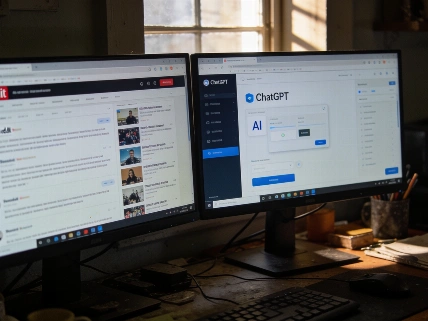
The company’s strategy centers on the unique value of ChatGPT for advertisers. Unlike traditional search engines, ChatGPT users express needs, problems, and purchase intentions directly in conversation, giving advertisers richer context for targeting. This could make ads more relevant and precise than those on display or social platforms. Dugan said ad revenue will be used to fund and expand access to AI-powered information services.
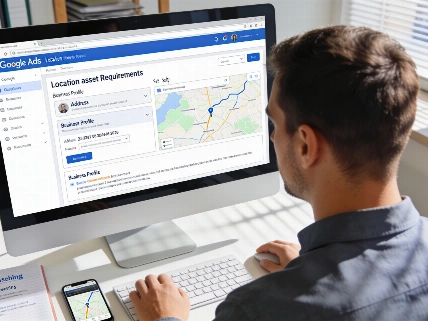
OpenAI has already moved beyond pilot programs, launching a self-service Ads Manager in May. This platform allows brands and agencies-including major groups like WPP, Omnicom, Dentsu, and Publicis-to book and manage campaigns directly. The approach mirrors the automated, scalable ad platforms built by Google and Meta, signaling OpenAI’s intent to become a major media and advertising player. The company is also expanding geographically, with plans to roll out ad offerings in Brazil, Mexico, and India after initial tests in English-speaking markets. OpenAI’s internal planning reportedly assumes a user base of 2.75 billion weekly active users by decade’s end.
However, the move into advertising brings risks. ChatGPT’s success has relied on user trust, with many seeing the AI as a neutral assistant. Critics warn that commercial interests could influence responses, especially as users expect not just information but recommendations and decisions. Axios has highlighted this tension, noting that some ad placements in ChatGPT already appear without clear labeling. The challenge for OpenAI will be to balance monetization with maintaining the platform’s perceived independence.
Not all AI companies are following OpenAI’s path. Anthropic, maker of Claude, has publicly committed to keeping its assistant ad-free, arguing that AI systems should serve only user interests. This sets up a strategic divide: OpenAI is betting on a mass-market, ad-funded model, while Anthropic seeks to differentiate through trust and paid subscriptions. Both face enormous infrastructure costs, with Reuters reporting that long-term compute and server expenses could reach hundreds of billions of dollars by 2030. The search for sustainable revenue streams is now a necessity, especially as platforms like Meta and Google remain financially robust.
Debates about AI monetization and the future of ad-funded media were also a major theme at Cannes, as explored in this recent report on publisher concerns about AI-driven revenue models.