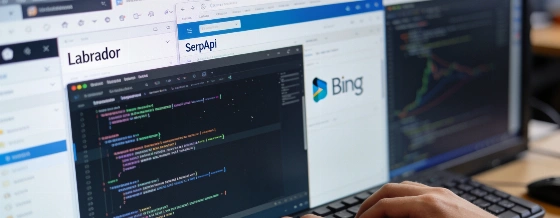
OpenAI’s method for pulling real-time data into ChatGPT is under the microscope again. A new analysis has mapped out the exact search engines and bots behind its answers. The biggest surprise: Google is in the middle of a lawsuit against SerpApi, one of the main APIs ChatGPT uses for web search data, accusing it of unauthorized scraping.
In September 2026, a federal judge rejected SerpApi's attempt to force Google to disclose its licensing agreements, emphasizing that standard pretrial discovery procedures must be followed.
At the core is Labrador, OpenAI’s own crawler. It comes in several versions: labrador-news-all, labrador-news-7d, labrador-wiki, labrador-web-fallback, labrador-images-nocache, and labrador-arxiv. These bots cover news, Wikipedia, fallback web pages, images, and academic sources. For images, ChatGPT taps Bing’s index. For Google web results, it relies on SerpApi-even as Google and SerpApi battle in court over scraping.
This patchwork approach means free ChatGPT users usually get answers from Labrador’s crawl. More complex or premium queries might trigger Bing or SerpApi. The result: a shifting blend of sources, shaped by each provider’s legal and technical status in real time.
By August 2026, Google officially confirmed the rollout of google.com/goto redirect links as a technical measure in its search ecosystem, a move seen as part of its broader fight against automated data extraction.
For publishers and SEO pros, the impact is immediate. SerpApi’s role in ChatGPT’s stack-even as Google sues-shows OpenAI is willing to risk legal headaches to widen its data net. At the same time, heavy use of Labrador signals OpenAI is building its own index, but isn’t ready to ditch outside feeds. This mirrors what’s happening in other AI search launches, as reported earlier.
OpenAI’s engineers seem undeterred by legal gray areas. They’re pushing ahead with a hybrid model to maximize coverage. For content creators, this means showing up in ChatGPT’s answers depends not just on Google or Bing rankings, but also on how Labrador crawls and indexes the web. The shifting alliances and lawsuits aren’t just legal drama-they decide which sources reach AI-powered audiences. As OpenAI’s data pipeline grows more complex, creators and publishers need to watch not only classic SEO, but also the changing rules of AI-driven search. Those who understand the mix of proprietary crawlers, third-party APIs, and legal fights will have the edge in this new landscape.