
Roughly 77% of reader comments on The New York Times’ Cooking AI announcement were negative, information from a sentiment analysis of the discussion. That offers a clear signal about reception for a feature built around recipe changes, though commenters are not a representative survey of all subscribers.
The analysis covered 171 comments on the Times’ announcement, with 12 comments from Times staffers excluded. The article’s author used Codex running GPT-6.1 Sol at medium thinking to classify the remaining responses; about 14% were positive, while the rest were neutral or mixed. Those figures describe that comment thread, not the views of the full Cooking audience.
What changed
The new tool lets cooks modify recipes, especially by asking for ingredient substitutions. The Times had already introduced AI features for converting volume and weight measurements, as well as adjusting serving sizes. On October 23, Genevieve Ko announced that the modification tool was available to a impressive number of Cooking subscribers on iOS, with broader access planned. The feature addresses requests to convert ingredients to weight or adjust recipes, including scaling them up or down and finding substitutes; NYT Cooking’s archive contains more than 23,000 recipes. The Times said it would gradually assess how quickly the tool responds and how subscribers use it. Ingredient substitutions were its leading early use case, according to the NYT Cooking announcement.
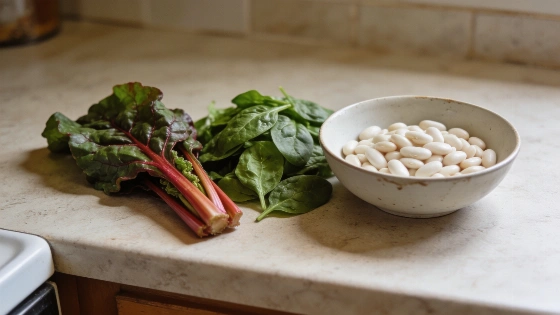
A practical example is braised white beans and greens with parmesan. A cook who has spinach but no chard may need to change when the greens go into the pot: chard holds its shape longer, while spinach wilts quickly. The tool is meant to account for that difference when adapting a recipe, rather than simply swapping one ingredient name for another.
Ko, NYT Cooking’s senior editor and a columnist, said product and engineering colleagues saw ways AI could support features users wanted. Cooking staffers spent extensive time testing chatbot responses against the advice culinary experts would give, she wrote. She said they applied Times editing standards.
Trust and utility
The comments show a mismatch between the product’s intended convenience and some subscribers’ expectations. Several readers argued that cooking questions should not require AI, while others objected to data-center impacts or the concentration of power among AI companies. Some said they pay for the Times because they want recipes made by people.
Ko addressed concerns about the broader risks of AI and framed the features as tools intended to help people cook. But when readers asked for a way to turn the feature off, she said that option was not available at the time. She also said using the tool was entirely optional. That distinction may not settle the objection: a feature can be optional in use and still be unwelcome as part of a paid product.
The comment thread also included practical support. One reader said the tool had made gluten-free recipe adjustments easier; another valued anything that could get dinner on the table faster. That is a clear use case, but the thread does not establish how many subscribers share it or how reliably the tool handles substitutions.
That question matters for a subscription product whose value depends in part on editorial trust. Other companies are pitching AI as a way to speed up commercial work, including Shopify’s AI store-building push. For NYT Cooking, the test is more specific: whether automated changes preserve the culinary judgment subscribers expect from its recipes.
The Times had not offered a way to disable the feature when Ko replied to commenters, even as she described it as optional to use.








