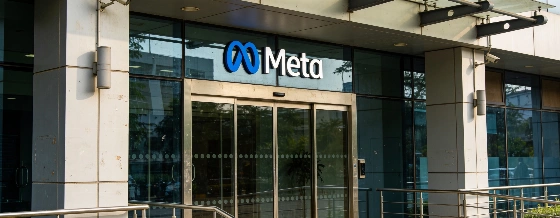
A BBC investigation uncovered paid Instagram ads promoting child abuse. Meta says it did not knowingly allow such ads and has removed violating content. The company faces scrutiny over its ad moderation systems.
Media and publishing professionals are watching closely as Meta faces renewed scrutiny over its ad moderation systems, following a BBC investigation that found paid Instagram ads in India promoting child abuse content. The incident raises urgent questions about automated ad review processes and the risks for platforms, advertisers, and content creators operating at scale.
The BBC reported that ads on Instagram included terms such as “rape video” and “child video,” with links directing users to Telegram channels. According to the investigation, Meta’s moderation technology initially approved these ads, and in at least one case, the company stated the ad did not violate its community guidelines. Despite Meta’s assurances that it had removed the violating ads and accounts, the BBC continued to find additional paid ads promoting child sexual abuse material and adult pornography on the platform.
Meta responded by stating it did not “knowingly and deliberately target ads featuring children” and emphasized that its enforcement systems had already disabled several of the violating ads and accounts before the BBC’s findings were made public. The company acknowledged that “no system is perfect” and that some policy violations may evade detection, but said it had removed all identified ads, accounts, and URLs in violation. Meta also reported that it used automated and manual reviews to monitor advertiser behavior and highlighted ongoing improvements to its moderation technology.
Following the BBC’s findings, the Indian government ordered Meta to remove the offending ads and content from Instagram and demanded an explanation for how such ads were approved. Meta stated that, in 2025, it removed over 4 million violating accounts and 36 million pieces of child exploitation material across Instagram and Facebook. In India alone, Meta said it removed about 160,000 accounts in the past six months. India is Meta’s largest market, with over 480 million Instagram users and 400 million Facebook users, according to company figures.
Meta has also claimed that its large language models (LLMs) now make 13% fewer mistakes than humans in moderating harmful content, uncovering 10% more violations since March. The company reported that its AI tools have reduced views of scam and violating ads by 7%. However, the BBC’s investigation suggests that Meta’s automated moderation processes may still require further strengthening, especially as the company plans to expand AI-powered moderation across its platforms by 2027. Advertisers and publishers remain cautious as Meta continues to face lawsuits over scam ads and content moderation failures.
Meta’s ongoing investment in AI moderation tools has been a focus for the company, as seen in its recent initiatives to support creators and improve platform safety. For example, a select group of Facebook creators is currently testing a new AI-powered companion app designed to centralize content management and audience engagement, as reported in this related coverage.
Meta Platforms, Inc. is one of the world’s largest social media companies, operating platforms including Facebook, Instagram, and WhatsApp. As of 2026, Meta reports more than 3 billion monthly active users across its services. The company generated approximately $134 billion in revenue in 2025, with a significant portion coming from digital advertising. India remains Meta’s largest single market by user count, with over 480 million Instagram users and 400 million Facebook users, according to company disclosures.