A journalist investigating a person could have to seek that person’s consent first, a group of publishers argues. That could alert the subject and put sources at risk. Twenty-one news organizations have asked India’s Supreme Court to strike down contentious provisions of the Digital Personal Data Protection Act, 2023, the country’s general structure for processing digital personal data. The law followed the Supreme Court’s 2017 ruling in Justice K.S. Puttaswamy v. Union of India, which recognized privacy as a basic right. The government says the DPDP Act is in force.
Consent and disclosure
The publishers say the law could also allow people to withdraw consent and demand erasure of their data, without a public-interest safeguard. That could force news outlets to unpublish or heavily redact factual reporting, information from a confidential filing by the Digital News Publishers Association (DNPA), reviewed by Reuters. Under the Act, organizations processing personal data are “Data Fiduciaries,” while individuals are “Data Principals” with rights relating to their data.
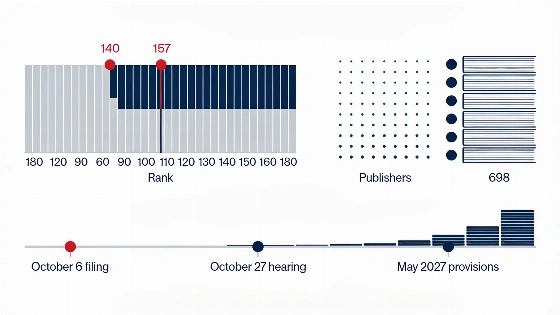
In its 698-page filing, the DNPA says consent rules could let an investigation’s subject “destroy evidence, intimidate witnesses”. The group argues the law’s provisions “render investigative journalism a benign and neutered recorder of events” and “constitute pre-censorship which is anathema to any democracy worth its name”.
The law also gives a federal authority power to impose fines for non-compliance and allows New Delhi to block information in the “interests of the general public”, the filing says. Starting in 2027, the government can require organizations handling personal data “to furnish such information as it may call for”. The DNPA says that power could reach “privileged communications in possession of a reporter or the informant” and deter whistleblowers from contacting journalists. The publishers’ challenge also raises the risk that information demands could expose reporters’ notes, internal communications or confidential sources.
Publishers seek safeguards
The DNPA says media companies received assurances at an August meeting with the government that the law would protect press freedom. But the group argues that the absence of a written exemption for journalists remains a concern. It points to carve-outs in the European Union, Singapore and Britain, and says India “has chosen to grant broad exemptions to the state, while failing to extend any corresponding protection to the press”.
DNPA members include Mukesh Ambani’s Network18, which operates seven digital news platforms, and Gautam Adani’s NDTV. Other members include the Indian Express and Times Internet, part of the Times of India group, which publishes India’s largest-selling English-language daily. A separate dispute over publisher rights and a proposed Australian AI copyright model is covered in an earlier FAYFO report.
Hearing set for October 27
Filed on October 6, the lawsuit is due before the Supreme Court on October 27, 2026. Reuters reported that the 21 publishers’ challenge targets provisions they say could impede investigations, allow demands to delete data and expose confidential journalistic material. The Digital Personal Data Protection Rules, 2025, which provide operational details for the Act, were notified by the Ministry of Electronics and Information Technology on November 13, 2025, as G.S.R. 846(E). Their commencement is phased: Rule 4 on Consent Managers is scheduled to take effect on November 13, 2026, while the principal compliance duties, including notice, consent, security, breach reporting, retention and individual rights, are scheduled for May 13, 2027. Most of the disputed provisions are due to take effect in May 2027. Meta and Google are among the platforms facing increased compliance requirements.
The case also brings an unusual legal challenge from businesses led by Ambani and Adani. Opposition parties allege the two are close to Prime Minister Narendra Modi and receive favorable treatment; both the businesses and the government vehemently deny the charges. The DNPA, the media groups and the IT Ministry did not respond to Reuters’ requests for comment.
The lawsuit comes amid criticism of press freedom under Modi, who took office in 2014. India ranked 157th out of 180 countries in Reporters Without Borders’ World Press Freedom Index this year, compared with 140th in 2014. The government rejects the rankings, says India has a “vibrant press and media environment” of hundreds of newspapers and TV channels, and says it does not need validation from foreign bodies.