
A record-breaking surge in search queries followed Argentina’s dramatic World Cup victory. Google did not disclose exact figures, but the spike set a new usage milestone. AI competitors are gaining ground in digital queries.
Argentina’s dramatic comeback in the World Cup Round of 16 triggered a historic surge in Google Search activity, setting a new all-time record for queries per second. The spike occurred immediately after Argentina’s third and decisive goal against Egypt, as users worldwide rushed to search for updates and reactions. Google confirmed the milestone but did not release specific numbers.
Nick Fox, senior vice president of knowledge & information at Google, said the platform saw its highest usage in history following Argentina’s winning goal. The company’s search engine, which launched in 1998, has never before experienced such intense real-time demand during a live event.
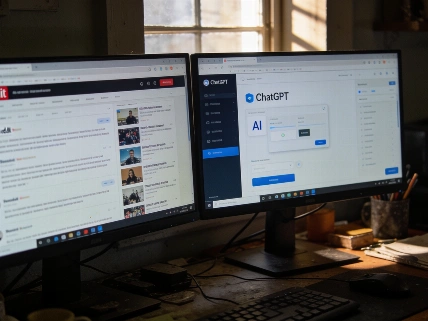
According to Statcounter’s GlobalStats, Google held a 91.25% share of the global traditional search market in June 2026, with Bing trailing at 4.68%. However, when digital queries from stand-alone AI platforms are included, Google’s share drops to roughly 77% to 80%, based on First Page Sage’s Q2 2026 report. OpenAI’s ChatGPT now accounts for about 17% to 17.9% of total digital queries, marking the strongest challenge to Google’s dominance in two decades.
Google Gemini has rapidly scaled to 750 million monthly active users, driven by integration across Google Search, Android, and Workspace. While Gemini’s user base is substantial, ChatGPT’s session duration is notably higher, indicating deeper engagement and potentially greater ad exposure per session. This shift could influence future advertiser strategies as AI platforms capture more user attention.
Publishers and content creators are closely watching these shifts in search and AI-driven traffic. As seen when Hello! Magazine rebuilt its audience after a Google traffic collapse by unifying data and focusing on editorial independence, adapting to changes in search and digital query behavior is critical for sustained growth. Hello! Magazine’s experience highlights the importance of cross-channel performance in a changing search landscape.
Founded in 1998, Google has grown into the world’s leading search engine, processing billions of queries daily. The company’s dominance in traditional search remains strong, but the rapid rise of AI-powered platforms like ChatGPT and Google Gemini is reshaping how users find information and how publishers reach audiences. As digital query habits evolve, Google’s ability to adapt will be closely watched by the entire media and publishing industry.