Brands are hiring ghost creators to mass-produce content that mimics authentic user voices. This tactic blurs the line between real and manufactured influence.
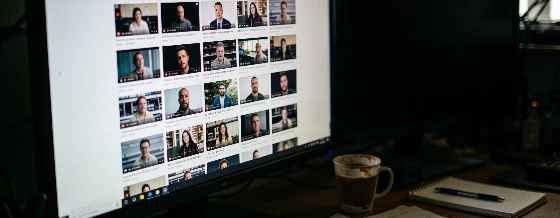
Scroll through YouTube or TikTok and you’ll find hundreds of nearly identical videos, all pushing the same message. These aren’t AI avatars or big-name influencers. Instead, brands are quietly hiring real people-so-called "ghost creators"-to produce content under fake names or faceless accounts. The goal: make paid, controlled posts look like genuine user-generated content, but at a scale and consistency that’s impossible to achieve organically.
This approach is changing how digital publishers and marketers operate. Companies like Virelox have built their business around ghost creator networks, reportedly releasing 2,500 organic-style videos every week for clients and managing over 100 YouTube accounts as of this spring, according to a Fayfo industry report. The process often starts with scripts generated by large language models, then handed off to hired actors or small creators with little public profile. The result is a flood of content that feels grassroots but is manufactured to spec.
"In recent investigations, it was revealed that actors participating in ghost creator networks were typically paid around $26 per video, with the total view count for these campaigns reaching 45 million."
- The Next Web
Inside the ghost creator machine
The mechanics are simple but effective. Brands send out detailed briefs and hire creators-sometimes actors, sometimes skilled but little-known content producers-to deliver on-camera or faceless videos. These creators use pseudonyms or stay completely anonymous, making it nearly impossible for viewers to trace the content back to its real source. Some casting calls even openly look for "reliable and professional on-camera spokespersons" for news-style channels, showing just how organized these campaigns have become.
Unlike traditional influencer deals, ghost creators aren’t valued for their audience size. Brands want people who can follow a brief and produce content at scale. As Julian Valdy, who manages 60 TikTok accounts for THE QUEST, put it, brands are paying for content operators, not personalities. This means brands can buy a story and use paid media to push it to the right audience, without relying on a creator’s organic following. Digiday reports that some ghost creator networks now run dozens of TikTok accounts in parallel, amplifying messages across platforms.
Authenticity and accountability at risk
This model comes with real risks. When ghost creators are used in political or issue-based campaigns, the potential for misinformation grows. A single script, repeated across dozens of anonymous accounts, can create the illusion of widespread support or sentiment. Jeremy Carrasco of Riddance, a media intelligence platform, notes that hiring people to use fake names and identities removes the accountability that makes creator content persuasive in the first place.
For brands, ghost creators offer cheap, scalable content that can be started or stopped as needed. For audiences, it means social feeds are harder to trust. When every video looks like user-generated content but is actually a paid performance, it becomes nearly impossible to tell what’s real. Even platforms are struggling to keep up. YouTube has removed some AI-assisted political channels, but there’s little sign of consistent enforcement against ghost creator operations.
On September 4, 2026, YouTube publicly confirmed it had removed 20 channels-including 13 named in a major investigation and 7 additional linked accounts-for violating spam and deceptive practices policies. This marked the platform's first official response to the ghost creator network, which had previously operated largely unchecked.
- YouTube statement (Platform Policy Update)
Old tactics, new scale
The idea behind ghost creators isn’t new. Marketers have long paid creators or ambassadors to produce branded content. What’s changed is the scale and sophistication. With AI tools generating scripts and a pool of interchangeable creators ready to deliver, brands can now flood platforms with coordinated messaging at a level that wasn’t possible before.
Joseph Perello of Props Media Platform points out that brands are starting to question the "followers fallacy"-the belief that a creator’s value depends on their audience size. Now, brands buy credibility and storytelling, then use paid distribution to reach their targets. But as the line between authentic and manufactured content blurs, audiences risk losing trust not just in creators, but in the platforms themselves.
Ghost creators aren’t a passing fad. They’re a calculated response to the demands of scale, cost, and platform enforcement. Brands want the reach and authenticity of user-generated content, but without the unpredictability of real creators. The result is a content ecosystem where authenticity is simulated and accountability is hidden. For publishers and marketers, the temptation to use ghost creators will only grow as competition for attention increases. But the long-term risk is a collapse in trust that manufactured credibility can’t fix. For anyone building an audience or monetizing content, the lesson is clear: scale without transparency may win short-term, but it undermines the foundation of digital influence.