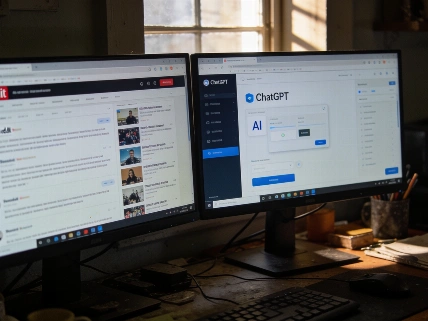

Reddit is now a battleground for brands seeking AI-driven exposure. Agencies are shifting tactics as AI chatbots reshape how recommendations work. Meanwhile, advertisers face new transparency headaches and pricing controversies.
For anyone in the business of content, traffic, or digital media, the rules of visibility are shifting fast. As AI-powered summaries and large language models increasingly replace traditional search, brands are scrambling to ensure their names surface in chatbot recommendations. Reddit, once a haven for organic discussion, has become a prime target for these efforts—fueling a new wave of astroturfing that’s hard to ignore.
Recent moves by moderators of r/Biohackers, a subreddit focused on topics like genetic engineering and experimental pharmacology, highlight the scale of the problem. They’ve temporarily banned posts about peptides and hormone replacement therapy, blaming a surge of promotional content from companies eager to get their products mentioned. While astroturfing isn’t new, AI has made it easier to automate and scale, shifting the goal from word-of-mouth buzz to dominating AI-generated overviews. Agencies now openly market their ability to boost brand presence on Reddit, using AI agents to seed content that’s likely to be scraped and surfaced by chatbots.
Transparency in advertising is also under fresh scrutiny. Principal-based buying—where agencies resell ad inventory to clients while keeping profits opaque—is on the rise, according to a recent Association of National Advertisers report. Many advertisers now cite this practice as their top transparency concern. Despite past scandals, the financial incentives remain strong, and agencies argue that principal media delivers better performance. Critics, however, warn that this model encourages agencies to prioritise inventory they control, not what’s best for clients. Marketers are being urged to demand more details about the inventory they’re buying, even if profit margins stay hidden.
Personalized pricing is another flashpoint. The Federal Trade Commission has started investigating how retailers and their intermediaries use customer data—like income or location—to set different prices for the same products. With over 250 clients reportedly using these services, the practice is spreading, though major retail groups deny it’s widespread. The risks are real: pricing algorithms can unintentionally target sensitive characteristics, such as race or ethnicity, by using proxies like ZIP code. Brands considering personalized pricing face the challenge of maintaining customer trust in an era of heightened scrutiny.
Elsewhere, Chinese retailer Temu has slashed its US ad spend due to tariffs, Meta is preparing to charge for its AI business agent, and the World News Media Conference is abuzz with debate over AI’s role in publishing. Meanwhile, the EU Parliament is switching from Google to Qwant for privacy reasons, and CBS News faces internal controversy over editorial integrity. On the hiring front, Cyabra, Moburst, KERV.ai, and LoopMe have all announced new leadership appointments across marketing, creative, and product roles.
Principal-based media buying has a long and controversial history in the advertising world. The model allows agencies to act as both buyer and seller, often blurring the lines between client interests and agency profits. While some industry veterans have campaigned for greater transparency, the rise of performance-driven marketing has made principal media more attractive to brands seeking efficiency. As AI and automation continue to reshape the landscape, understanding the incentives behind agency decisions is becoming essential for marketers who want to protect both their budgets and their reputations.