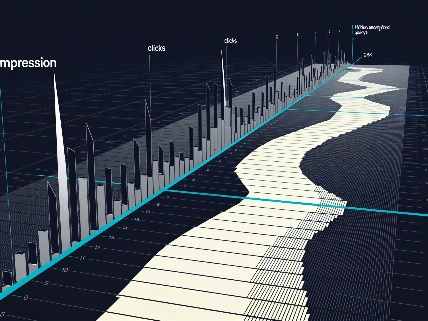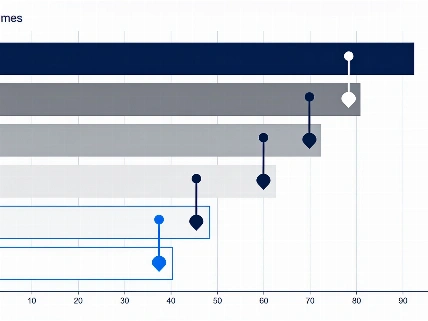
The survey cannot establish that BBC news caused the differences it measured. The BBC says the relationships it identified remain statistically significant after accounting for demographic and political characteristics, a qualification that still leaves causation unproven. The study was a UK-wide survey of 5,750 adults aged 18 and over, conducted in January 2026, examining BBC use alongside trust, social cohesion, community connection and civic participation, as described in the BBC research release.
Among people who used BBC UK and international news daily, the overall trust score was 75% higher than among non-users. BBC Local News users recorded a score 62% higher. The survey covered 5,750 UK adults and was conducted in January. In a separate comparison covering daily use of BBC content more broadly, the BBC reported an overall trust score 87% higher than among non-users and a social-cohesion score 23% higher. People regularly using four or more BBC genres had trust scores roughly 60% higher and social-cohesion scores about 21% higher than people with no regular BBC engagement.
That trust score combines respondents’ views of other people and institutions, including government, local government, police, the civil service, the judicial system and news media. It is a broad societal measure, not a direct rating of BBC journalism’s accuracy or impartiality. A separate creator-video trust study also examined how sourcing details relate to trust, though its format and measures differ from the BBC survey.
BBC users also had higher social cohesion scores, which included belonging, feeling represented and connection to local communities. Daily users of UK and international BBC news scored 15% higher than non-users; the gap for BBC Local News users was 16%. On local measures, daily BBC Local News users reported 29% higher community engagement and 23% higher community connection. The BBC reported that frequency of use and breadth of content were both associated with stronger outcomes; moving from no regular BBC use to regular engagement with four or more genres corresponded to increases of roughly 11 points in trust and seven points in social cohesion on the study’s zero-to-100 scales.
Yonder Consulting, a London-based consultancy that has worked with M&S and Vodafone, carried out the research. Questions used a zero-to-100 scale so researchers could compare average scores across user groups. Rachel Jupp, director of BBC News and Current Affairs, said the findings showed the potential role of public service broadcasting in bringing communities together. The BBC cautioned that the survey results describe associations and do not prove that BBC consumption caused higher trust or cohesion. The results and the BBC’s caveat are detailed in the original report.
The findings arrive amid planned reductions at the broadcaster. In February, the BBC announced plans to save £500m over three years, around 10% of its annual costs. In September, it said around 90 jobs would be cut from local radio and regional TV news to save £9.1m in BBC Local. It also said the Nations division would need to reduce headcount by around 250 full-time posts by 2027/28, saving £33m.
The BBC’s role in local journalism has drawn criticism from publishers as well. Manchester Evening News editor Sarah Lester criticized the broadcaster’s lifting and publication of local stories “without credit on their site.”