
A new Australian bill would let users switch off algorithmic feeds. Platforms like Facebook and TikTok could be forced to offer chronological content. The move targets targeted ads and data profiling.
Australia is preparing to require major social platforms to give users a choice between algorithm-driven feeds and a simple, chronological stream. The Albanese government’s proposed “Digital Duty of Care” bill, released on September 8, 2026, would make Facebook, Instagram, TikTok, and others let Australians turn off algorithmic recommendations and targeted ads. This would undo years of platform design that turned feeds into engines for profit. According to a Reuters video report, the bill would also cover search engines and AI chatbots, as part of a broader push to reduce digital harms.
The change would be immediate for anyone who relies on social distribution-publishers, creators, and brands. If the law passes, platforms would have to send push notifications asking users if they want to opt out of algorithmic curation. Users could also reset the data profiles that shape what content and ads they see. Platforms that don’t comply could face fines over A$100 million, with the eSafety Commissioner gaining new enforcement powers, as reported by ABC News.
For users under 18, the bill mandates blocking content related to eating disorders, misogyny, pornography, glorification of crime, and bullying. For adults, the focus is on already illegal content.
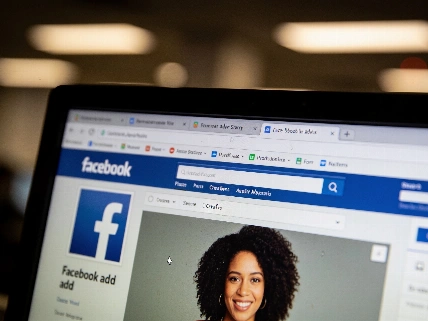
This isn’t a small adjustment. The proposal would force platforms to offer a feed that looks more like Facebook in 2006, before the News Feed became a personalized attention machine. At that time, users had to visit each friend’s page to see updates. When Facebook launched News Feed in 2006, it pulled everyone’s activity into one stream. The change was so abrupt that users protested outside Facebook’s offices, angry that their updates were suddenly public. The backlash faded, and algorithmic feeds became the norm across social media.
Now, Australia’s government wants to reverse that shift. Communications minister Anika Wells has said she wants Australians to have "more choice over their feeds" and for platforms to "respect that choice," according to an official transcript. The bill wouldn’t require ad-free feeds, but it would block targeted ads for users who opt out, forcing platforms to show only generic ads. The government says the goal is to give users more control and make tech companies responsible for reducing foreseeable harms.
For publishers and creators, the impact could be significant. Algorithmic feeds have driven traffic, targeting, and revenue for years. If enough users opt out, publishers could see a return to the unpredictable, less sticky distribution of the pre-algorithm era. The opt-in/opt-out system would apply to TikTok and Instagram as well, making this a broad disruption. As noted in a Reuters video report, this move follows Australia’s earlier ban on social media for children, showing a continued expansion of online safety rules.
The Digital Duty of Care bill is part of a wider regulatory package that covers not only social networks but also search engines, AI chatbots, apps, and other online services, all of which will be required to prevent harm and minimize risks to users.
- ABC News
Australia’s plan is the strongest national effort so far to treat social feeds as a public utility, not just a private product. If the bill passes, it could set a model for other countries. The tech industry’s reaction will be watched closely by lawmakers and by anyone whose business depends on the logic of the feed. Algorithmic curation has always been about maximizing engagement and ad revenue, not user control. Forcing platforms to give up some of that power is a direct challenge to their business model, and they are unlikely to accept it quietly. If Australia succeeds, the era of the all-powerful algorithm could be running out of time.
Facebook, now part of Meta Platforms, reported over 3 billion monthly active users across its apps in 2026. The company’s ad revenue topped $120 billion last year, most of it from algorithmic targeting and personalized feeds. Australia’s proposed law wouldn’t end these profits overnight, but it would force platforms to rethink how they make money from attention and data at scale.