
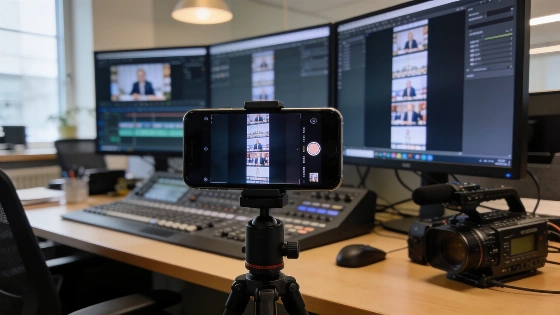
In 2024, Amedia began a comprehensive review of video operations across its 120-plus news sites after finding gaps in video storytelling and user experience. The Norwegian publisher wanted to engage younger news consumers, who increasingly encounter news on platforms such as Snapchat and TikTok rather than traditional news sites.
The review found that Amedia’s video content and workflows lagged behind audience expectations. The company prioritized content development and process upgrades, alongside changes to editorial processes. Because newsroom video capabilities varied widely, Amedia tailored its approach: more advanced sites refined storytelling and front-page video packaging, while smaller newsrooms received targeted training to identify stories suited to video and establish regular production routines.
Basic changes in 2025 included optimizing the user experience for vertical video, introducing short-form reels and integrating video clips into text articles. Amedia also streamlined video publishing with a mobile-optimized content management system for breaking news and improved animated previews. It introduced video graphics packages designed for vertical formats, making it easier for audiences to watch videos and for staff to create and publish them.
Building a video-driven culture required sustained editorial commitment. Editors championed the shift, while the development team shared proven methods and analytics to motivate newsrooms. Amedia treated video as a core editorial product, not a secondary feature, and used newsroom benchmarks to encourage adoption.
That strategy is taking shape amid increased scrutiny of the social platforms used to reach younger audiences. In April 2026, Norway’s government said it planned legislation restricting access to social media for children under 16 and making technology companies responsible for age verification. On October 20, Reuters reported that the government considered TikTok and Snapchat likely to fall within the proposed rules, with Roblox also among the platforms under consideration. The measure was slated for submission to Parliament by the end of 2026, not described as an already effective ban. Norway’s Minister of Children and Families, Lene Vaagslid, cited risks including “harmful content and addictive features,” illegal marketing and unwanted contact from strangers. The government’s proposed definition also covers platform design and features alongside individual posts, bringing recommendation and engagement mechanics into the broader policy discussion. These developments add a regulatory dimension to publishers’ efforts to build audiences on youth-oriented platforms. (Reuters’ report on Norway’s proposal)
Throughout 2025, Amedia highlighted video performance, shared analytical insights and encouraged staff to adopt new routines. Video production increased by 40%, while video views jumped 286%. The company continues to invest in video expertise and process improvements in 2026, aiming to keep its journalism relevant and profitable as audience habits evolve.
Amedia’s focus on video reflects a broader industry shift toward treating social video as a core editorial product. Grupo RBS took a similar approach when it restructured its newsroom for social video to lead measurable audience growth and revenue.
Amedia is one of Norway’s largest local media groups, managing more than 120 news brands across the country. Its digital change has positioned it as a leading Norwegian publisher, with a strong emphasis on local journalism and audience engagement. Public figures show that Amedia reaches millions of readers each week and continues to invest in digital innovation to maintain its market position.








