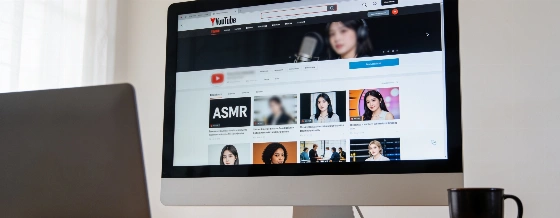
Several major ASMR creators lost their YouTube channels after being accused of violating sex and nudity rules. The bans have sparked confusion and concern among content producers.
Content creators in the ASMR community are facing sudden disruption after YouTube banned several high-profile channels this week, citing violations of its sex and nudity policy. The move has left many creators questioning the platform's enforcement standards and the future of their businesses.
On Wednesday and Thursday, ASMR artists including ItsBunniiASMR, Slight Sounds, Nananightray, Roseasmr, Simoneasmr, and Janina Wilhelmsen received notifications from YouTube stating their channels had been removed for severe or repeated breaches of the platform’s rules against “sexually gratifying” content. Each of these creators had built significant followings, making the bans both financially and professionally impactful.
YouTube confirmed to 404media that the terminations were due to channels linking to content that violated its nudity and sexual content policy. The company emphasized that its external link policies are applied equally to all creators and that this enforcement was not a change in policy or a targeted action against ASMR content specifically.
ASMR, or Autonomous Sensory Meridian Response, is a genre focused on producing tingling sensations through sounds like whispering, tapping, or brushing. While most ASMR content is intended for relaxation or sleep, some creators say the platform’s enforcement is being influenced by outside perceptions that sexualize the genre, rather than by the content itself.
Many in the ASMR community have expressed frustration, arguing that the bans are inconsistent and that numerous similar channels remain active. Some creators believe that YouTube’s actions could have life-altering consequences, as their channels represent primary sources of income and audience engagement.
The incident highlights ongoing challenges for digital creators who rely on major platforms for distribution and monetization. As platforms adjust enforcement of content policies, creators face uncertainty about what is considered acceptable. This echoes broader concerns about platform risk and policy transparency, which have also affected other sectors, such as when AI-driven changes impacted publisher revenue, as discussed in recent coverage of digital ad trends.