Creators can now broadcast live reactions to eligible streams on YouTube’s mobile app. The move aims to drive more real-time engagement and new revenue streams.
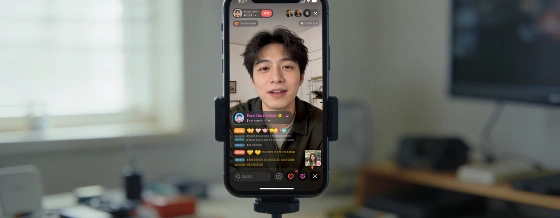
YouTube is pushing further into mobile livestreaming with its expanded “Watch With” feature, giving more creators the ability to react to livestreams and share those reactions in real time from their phones. The update is designed to tap into the growing appetite for live content and offer creators new ways to earn money directly from mobile devices.
By default, eligible livestreams allow other creators to react live, but the original streamer can disable this option before going live.
Monetization works on two tracks. Creators who share Watch With reactions can earn revenue from their own streams, while the original livestreamer keeps their usual earnings. YouTube doesn’t split reaction revenue with the source creator. Instead, all viewership and watch time from reaction streams count toward the original content’s metrics, but not its income. This was outlined in a recent YouTube Creator News LIVE update, which stressed the focus on engagement stats rather than direct revenue sharing.
The original livestreamer stays in control and can choose to allow or block live reactions before going live. This opt-in setup gives creators some protection over their content and audience, while still making room for collaboration and cross-promotion. The Watch With feature is built for mobile: the camera stays in horizontal mode, and video can’t be turned off during a reaction, reinforcing YouTube’s focus on mobile-first tools.
YouTube positions Watch With as a tool for live communication and collaboration, not as a replacement for the main stream. Viewers can watch both the original and the reaction simultaneously from any device, supporting a more interactive experience.
For creators, the benefits are straightforward: more ways to earn, more chances to build loyal audiences, and a direct route to capitalize on trending moments as they happen. For YouTube, it’s a move to keep creators from switching to rival platforms with similar interactive features. Other companies are making similar plays-Reddit, for example, has shifted toward video to attract advertisers and boost completion rates.
One detail stands out: YouTube doesn’t share reaction revenue with original livestreamers, even though it credits them with the engagement. The platform wants to drive up watch time and keep creators active, but isn’t splitting every new dollar. For creators and publishers, the message is clear-use the tools, chase engagement, but don’t expect extra payouts from reaction streams. In a crowded market, YouTube’s latest update is about holding onto its lead in live content, not sharing it.
YouTube, owned by Google, remains the world’s largest video platform, with over 2.7 billion monthly logged-in users as of 2026. The company says live content watch time has grown by more than 40% year-over-year since 2023, driven by mobile viewing and major event streams. Since 2018, YouTube’s monetization programs-including Super Chat, channel memberships, and ad revenue sharing-have paid out over $50 billion to creators, making it a central force in the global creator economy.