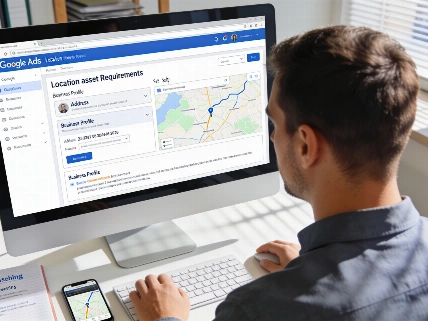

Health care marketers are struggling to connect data across teams and channels. Disconnected measurement frameworks make it difficult to track campaign performance and optimize investments.
Health care marketers are facing mounting pressure to prove the impact of their campaigns, but fragmented data and siloed teams are making it harder to measure what actually drives results. As organizations invest across more channels and audiences, the lack of a unified operational view is emerging as a major obstacle for those seeking to optimize spend and demonstrate value.
Many health care companies have developed strong omnichannel capabilities, yet their marketing, analytics, and agency teams often rely on separate systems and reporting frameworks. This disconnect can lead to multiple, conflicting interpretations of campaign success, complicating decision-making at the leadership level. Fragmented data, once seen as a technical nuisance, is now a commercial risk as marketers are expected to coordinate journeys across CTV, social, search, point-of-care, streaming audio, and HCP channels-all while meeting strict privacy and data governance standards.
Industry forecasts project that digital ad spend in health care and pharma could reach $22 billion to $26 billion by 2026, far outpacing traditional TV budgets. With this growth comes heightened expectations for measurement and accountability. However, when touchpoints are planned and measured in isolation, marketers lose visibility into how channels work together, resulting in overlapping reach and missed opportunities between consumer and HCP strategies. While some commercial teams are starting to bridge these gaps, many still operate in silos that limit the flow of insights between partners and planning cycles.
Building a connected customer view does not require consolidating all systems, but it does demand stronger alignment. Marketers need to translate tokenized consumer data and NPI-based provider data into activation-ready audiences, while maintaining the necessary privacy controls. To move forward, organizations should establish a shared measurement framework before campaigns launch, ensuring all teams optimize toward the same outcomes. Creating a common identity layer across activation and measurement allows signals from patients, providers, and media channels to be analyzed within a consistent structure-without compromising privacy.
Effective measurement should also feed insights back into planning, creating feedback loops that inform audience strategy, channel allocation, and future campaign design. Marketers making the most progress are those who ask operational questions early: which signals can be used responsibly, which audiences must remain separate, and what proof of delivery is needed before analyzing outcomes. These operational choices determine whether fragmented data can be turned into actionable insights that drive better investment decisions.
As health care marketing evolves, the ability to connect data responsibly and translate it into usable insight is becoming essential. For those interested in how digital transformation is shaping other sectors, the selection of Stockholm as host for the 2027 World News Media Congress will focus on digital innovation and newsroom transformation, as reported here.