Personalized navigation, voice search, and a new motorcycle mode arrive for Waze users. The updates use Gemini AI to improve route suggestions and reporting. Android and iOS users get access worldwide.
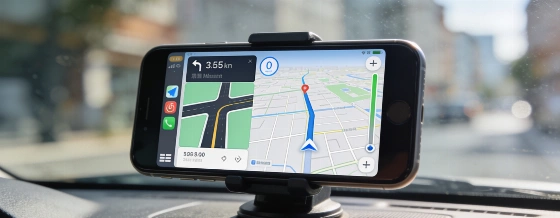
Waze is introducing new AI-powered features designed to give drivers more control and personalization on the road. The updates, now rolling out globally for Android and iOS, leverage Google's Gemini AI assistant to enhance navigation, voice interaction, and reporting tools for users.
With the latest release, Waze can suggest routes based on a user's driving history and the app's understanding of city traffic patterns. Drivers who prefer highways over local streets will see those options prioritized, while those who want to avoid personalized suggestions can opt out in the settings. This approach aims to make commutes more efficient and tailored to individual preferences.
The integration of Gemini AI also brings a more conversational voice search experience. Users can now press the search voice icon and ask for destinations using natural language, such as requesting a coffee shop that's open, parking near a specific location, or the nearest gas station with the lowest premium prices. This hands-free interaction is intended to reduce distractions and streamline the search process.
Waze has updated its voice interface to allow drivers to choose a 'less chatty' mode, which limits voice prompts to essential alerts about hazards, turns, and lane changes. This feature is designed to minimize interruptions while still providing critical information.
Conversational Reporting, powered by Gemini AI, is expanding beyond traffic incident reports. Drivers can now suggest map updates, such as road closures or outdated addresses, simply by speaking naturally. These spoken updates are sent to local map editors for verification and integration, helping keep the app's maps accurate and current.
Motorcycle riders are also seeing new support with a dedicated mode that accounts for two-wheel-specific routes and hazards. The feature highlights obstacles like potholes and speed bumps, and is initially available in Argentina, Brazil, Colombia, Malaysia, Mexico, Peru, and the Philippines, with more countries to follow. Waze relies on real-time traffic data and a network of motorcycle map editors to keep these updates relevant.
These enhancements reflect Google's broader strategy to embed Gemini AI across its products, positioning Waze to better compete with other navigation platforms. The move follows industry-wide efforts to increase transparency and AI integration, as seen in recent initiatives by major tech companies to disclose AI use in digital content. For example, Google and other platforms have expanded AI disclosure tools for ads to address evolving regulations and user expectations.