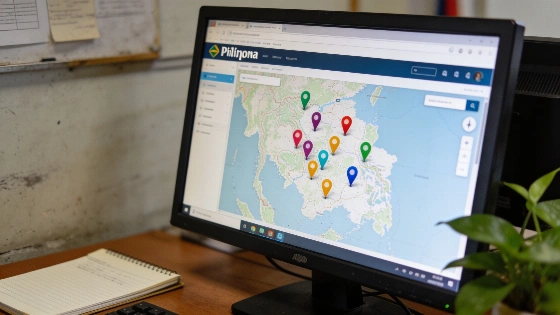
Sustina, a women-led nonprofit impact media organization in the Philippines, is preparing to launch the Circular Solutions Map, a digital directory of circular economy businesses nationwide. Funded by the inaugural Climate Culture New idea grant from climateXchange and Syli, the project aims to make vetted recyclers, refurbishers, and other circular suppliers more visible and accessible to the public and industry stakeholders.
The country’s waste and regulatory field makes a broader view of the sector necessary. The Philippines generates about 61,000 metric tons of garbage per day, information from Department of Environment and Natural Resources data cited in reporting. The Extended Producer Responsibility Act, or Republic Act No. 11898, amended the Ecological Solid Waste Management Act and requires covered enterprises to recover and divert plastic packaging they place on the market. Its focus is plastic packaging, while electronic waste remains a impressive challenge: the Philippines generated an estimated 537,000 metric tons of e-waste in 2022, or about 4.7 kilograms per person. That made it Southeast Asia’s third-largest generator after Indonesia and Thailand, according to figures from the 2024 Global E-waste Monitor cited by EcoWaste Coalition.
The Circular Solutions Map will be hosted on the Sustina website, with each business or initiative marked by a pin on an interactive map. Each pin links to original editorial content produced by Sustina’s team, offering story-driven insights into grassroots efforts and the people behind them. Sustina plans to update the platform regularly as circular economy solutions evolve across the country.
Local programs show the range of activity such a directory could help users find. Iloilo City’s AGUBAY Project recovered more than 2.17 million kilograms of recyclable material from January 1 to October 20, 2026, with 57 barangays participating. Metal accounted for 33.1% of the total, plastic 31.7%, glass 18.7% and paper 14.9%. In Baguio, the city reported receiving ₱320,000 from the first sale of plastic-waste recovery certificates covering 80 tons. These examples span collection and recovery, as well as credit transactions, where local infrastructure and partnerships shape how materials are put to productive use.
Founded in 2025, Sustina brings together journalists, strategists and technical experts under three core pillars: Sustina Earth, an impact publication focused on climate, culture and capital; Sustina Lab, which provides strategic support for impact-first ventures; and Circulo, the organization’s circular economy-focused arm, established in 2025. The Circular Solutions Map is Circulo’s latest initiative, part of Sustina’s effort to support sustainable business models and environment development. As Bert Guevara of the Philippine Alliance for Recycling and Materials Sustainability put it, “EPR is helping shape the future of the circular economy.”
The Climate Culture Journalism grant is also funding an editorial project. In September, Sustina will launch The Waste Issue, a digital collection of six stories exploring the waste materials shaping the Philippines and the people addressing these challenges. The map’s beta release will coincide with the editorial launch, giving users access to a directory alongside in-depth reporting on the sector.
Sustina is also expanding its training offerings with regular capability-building sessions and free workshops for journalists and media practitioners. An upcoming one-day Solutions and Social Impact Training workshop will share lessons from building the Circular Solutions Map and equip other media professionals with practical skills for covering sustainability topics. Interested parties can contact Editorial Director Nina Unlay at nina@sustina.earth for more information.
According to WAN-IFRA, the Circular Solutions Map is a first-of-its-kind effort to document and connect circular economy actors in the Philippines, giving media, businesses and the public a new tool for engaging with sustainability initiatives.