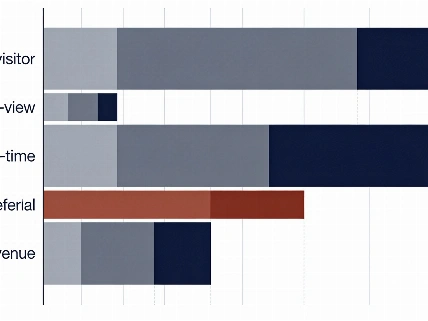
Publishers cite Microsoft data showing click-through rates fell 83% to 93% for The Times and DNP domains, and 51% to 94% for ZD domains, when users saw Microsoft’s Copilot “answer engine” instead of traditional Bing search. They argue that AI-generated answers can replace the news stories used to produce them and steer readers away from publisher websites.
Microsoft’s lead counsel described chatbots as tools built to answer questions rather than send users to links, the publishers say. That distinction is basic to their claim.
News publishers filed a less-redacted version of their summary-judgment motion in the US copyright case against Microsoft and OpenAI. The dispute stems in part from The New York Times’ December 2023 lawsuit, which accused the companies of using millions of its articles to train generative AI models without permission. The case is before a federal court in Manhattan. One basic question is whether that use qualifies as fair use under copyright law. New York Daily News has also brought claims over the use of its material. The Center for Investigative Reporting and other publishers have filed related claims. They argue that training AI models on publisher content produces results that substitute for original work and steer readers away from publisher websites.
The publishers call the pattern a “doom loop.” Their motion says: “Defendants’ own data show this ‘doom loop’ in motion, with Microsoft recording 83-93% drops in click-through rates for The Times and DNP’s domains, and 51% to 94% for ZD’s domains, for Microsoft’s Copilot ‘answer engine’ compared to traditional Bing search. As Microsoft’s lead counsel put it, the advantage of such AI chatbots ‘is that they are actually designed to answer your question’ rather than ‘just giving you a series of links to things you can go look for yourself and maybe find the information,’; that is, they divert users from visiting publishers who created the copied work,” they said. The publishers cite figures from Microsoft data disclosed in court filings, as Computerworld reported.
The filing focuses on traffic publishers say they lose when an answer replaces a visit to the source. They also argue that AI-generated summaries or excerpts can give users large value from an article without a visit to the publisher’s site. Those claims remain part of the ongoing copyright dispute, not a court finding. The case has not been resolved on the merits, and the fair-use question remains before the court.
Separately, OpenAI has licensing agreements with news organizations. It announced an arrangement with the Associated Press in July 2023. Later deals included News Corp. and The Washington Post. Politico also reached a deal with OpenAI.
Google’s requirement for a manual click before automated scrapers see search results was covered in FAYFO’s scraping report.