A major Pixel update arrives this August, mirroring Samsung’s pricing tactics. Expect doubled base storage, a missing 128GB option, and a price hike-though hardware upgrades remain modest for now.
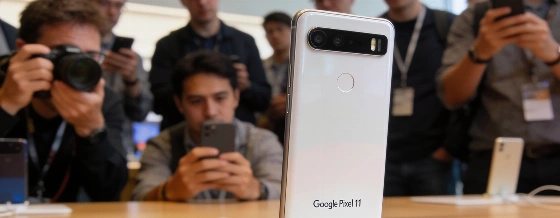
Google has officially set August 12 as the date for its next Made by Google event in New York, where the Pixel 11 series will be revealed. This announcement comes just weeks after Samsung’s Galaxy Z Fold 8 debut, signaling a competitive summer for flagship smartphones.
While Google has not yet disclosed U.S. pricing, a retail leak reported by T3 Dealabs suggests the Pixel 11 lineup will start at €999 for 256GB in Europe, up from €899 for the 128GB Pixel 10. The 128GB base model is gone, effectively raising the entry price. The Pixel 11 Pro now starts at €1199 for 256GB, compared to €1,099 for the previous 128GB version. Both the Pixel 11 Pro XL and Pixel 11 Pro Fold see a €100 increase across all storage tiers.
This pricing approach closely follows Samsung’s earlier move with the Galaxy S26, which eliminated the 128GB option and raised entry prices by $100. Samsung justified its increases by pointing to new features like the privacy display, a notable hardware addition. In contrast, Google’s rumored standout feature, Pixel Glow-an ambient notification light-may not carry the same impact.
For buyers, the practical effect is clear: the cheapest Pixel 11 is now more expensive, but the base storage has doubled. However, if you compare last year’s 256GB models to this year’s, the price remains unchanged for the standard and Pro versions. The real loss is the ultra-affordable 128GB tier, which has been dropped entirely.
Historically, Google has kept Pixel prices steady from generation to generation, but this year’s increase was widely expected. The company’s hardware strategy differs from Samsung’s, as Pixel devices primarily serve as a channel for Google’s software ecosystem, including Gemini Intelligence and Google One subscriptions. This allows Google to offer frequent discounts-often within weeks of launch-making it wise for most buyers to wait for a sale rather than pay full price at release.
For those tracking Google’s evolving policies, it’s worth noting that the company has recently taken a tougher stance on platform integrity, such as doubling the review ban period for repeat violations on Google Business Profile, as detailed in this related report.
As anticipation builds for the Pixel 11, the question remains whether Google will unveil any surprise hardware or AI features to justify the higher price. Until then, the safest bet for value-focused buyers is patience-historical trends suggest discounts are likely soon after launch.
Google, founded in 1998 and now a subsidiary of Alphabet Inc., reported over $307 billion in revenue for 2025. The Pixel smartphone line, first introduced in 2016, has steadily grown its market share, with recent estimates placing global Pixel shipments at over 12 million units annually. The company’s hardware division remains a small but strategically important part of its broader ecosystem, which includes search, cloud, and AI services.