

AI assistants now shape brand discovery, prioritizing organic mentions over paid ad impressions. Marketers face new challenges in measuring and optimizing how brands appear in AI-generated recommendations.
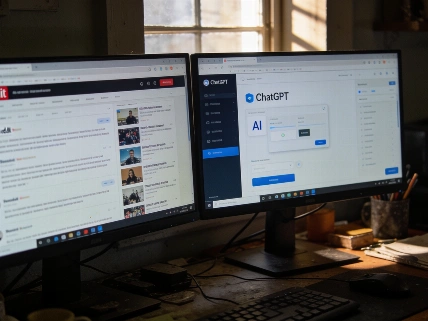
As AI-powered assistants like ChatGPT, Gemini, and Perplexity become central to how consumers discover brands, the value of organic impressions has surpassed that of paid ad impressions. For marketers and publishers, this shift means that the first brand mention in an AI-generated response can determine whether a brand is considered or ignored—often without a single click or traditional impression being logged.
Unlike search engines, AI assistants typically return a handful of brand names with brief descriptions, omitting many others. These recommendations act as the new first impression, but measuring their impact requires a different approach. Since AI responses are personalized and probabilistic, the same prompt can yield different brand mentions for different users, making traditional impression counting impossible.
To address this, Clinch has launched Generative Engine Optimization (GEO), a tool integrated into its Flight Control platform. GEO tracks how often brands are cited, described, and recommended by AI engines in response to user queries. The platform measures metrics such as visibility, sentiment, comparison, and mention rate—the percentage of prompts in which a brand appears in AI-generated answers. According to Clinch, these metrics are sampled and resemble share of voice more than classic ad-server impressions.
Marketers are now focusing on optimizing their owned and third-party content to influence how AI models describe their brands. Charel MacIntosh of Clinch said that instead of buying higher rankings through keywords, brands are working to become more discoverable by shaping the information AI engines use to generate responses. This approach is already showing results: a major retailer increased its mention rate from 50% to 68% in two months by combining optimized site content with targeted third-party placements.
Retailers are seeing significant growth in AI-driven referral traffic. Adobe Digital Insights reported a 693% year-over-year increase in AI referrals to U.S. retail sites during the 2025 holiday season, with these referrals converting 31% more effectively than non-AI traffic. Fractl data from 2026 shows that 40% of marketers have already observed increased brand visibility from AI assistants.
As AI platforms begin to introduce paid placements, such as OpenAI's ads product, marketers will be able to measure those as traditional impressions. For now, GEO provides a framework for understanding and optimizing organic brand visibility in AI-driven environments, helping marketers align their creative and campaign strategies with how AI engines present their brands.
This focus on AI-driven brand discovery echoes broader trends in editorial and publishing technology, as seen when India Today piloted an AI tool to predict audience engagement before publishing, which you can read about in this related report on predictive AI in newsrooms.