Out-of-home advertising is no longer limited to static billboards. Brands are using moving formats like transit wraps and rideshare placements to reach consumers wherever they go. Measurement tools now track real impact.
For publishers and marketers focused on audience growth and monetization, the evolution of out-of-home (OOH) advertising is reshaping how brands connect with consumers on the move. Traditional static billboards and street furniture remain important, but the most effective OOH strategies now follow audiences across their daily routes, from transit wraps to rideshare placements.
Brands have invested heavily in understanding consumer movement through customer journey mapping, location intelligence, and audience analytics. Yet, media planning often lags behind, treating audiences as stationary. In reality, consumers travel between offices, stores, restaurants, transit systems, airports, and neighborhoods, encountering multiple environments that offer new touchpoints for brand engagement.
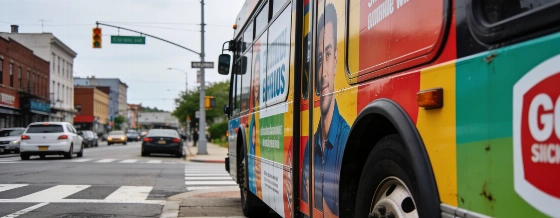
OOH formats have expanded to include dynamic options such as vehicle wraps, mobile billboards, and waterway media. These moving formats extend a brand’s presence beyond fixed locations, reaching people as they commute, shop, attend events, or explore their communities. While static billboards build awareness at key destinations, moving media follows the flow of consumer activity, increasing relevance and visibility.
This shift highlights the growing importance of context in advertising. Marketers now recognize that where and when a message appears can be as valuable as who sees it. OOH stands out because it integrates into the consumer’s environment rather than interrupting it. Campaigns can be tailored to major events, product launches, or specific districts, making brand messages feel timely and authentic. In these cases, location becomes part of the creative strategy, not just a backdrop.
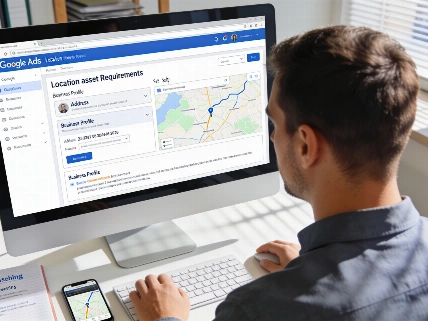
Measurement capabilities for OOH have also advanced. Once seen mainly as an awareness channel, OOH now benefits from tools that track audience movement, campaign reach, visitation patterns, and attribution. Technologies like location intelligence, mobile data, and geofencing help marketers understand how OOH impacts the customer journey and drives business outcomes. This progress comes as advertisers demand more measurable results in a fragmented media landscape.
The continued growth of OOH reflects its ability to adapt to changes in technology and consumer behavior. Dynamic and moving formats are creating new opportunities for brands to engage audiences wherever their journeys take them. As media planning becomes more movement-oriented, the ability to reach consumers in motion is set to define OOH’s role in the years ahead. For those interested in how attribution standards are evolving across advertising channels, a recent analysis explores the implications for ad spend and measurement frameworks: how new browser proposals could reshape attribution.