OpenAI must pay $100,000 in legal costs after Ontario’s Court of Appeal unanimously upheld the province’s authority to hear a copyright case brought by Canadian news organizations. The coalition includes The Canadian Press, Torstar, The Globe and Mail, Postmedia Network and CBC/Radio-Canada. It alleges that OpenAI used its journalism without permission or compensation to train ChatGPT. The organizations say the company infringed copyright and breached website terms of use, and they also claim it was unjustly enriched. The case is described as the first Canadian lawsuit addressing the use of copyrighted news content to train generative-AI systems.
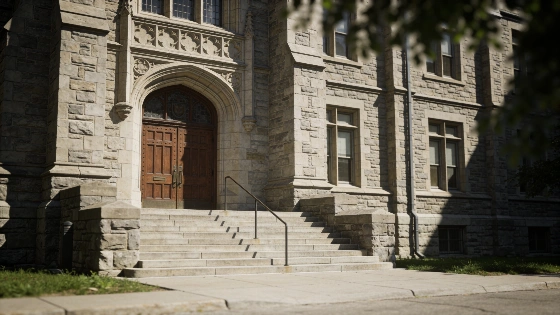
The appeal turned on where the case can be heard, not whether the alleged copyright infringement occurred. OpenAI argued that, because it had no physical presence in Ontario, the lawsuit should be heard in the United States. The three-judge panel rejected that argument and allowed the case to proceed in Ontario. The court concluded that Ontario had a “real and substantial connection to the alleged breaches,” as Broadcast Dialogue reported.
Justice Bradley Miller said Superior Court Justice Jessica Kimmel had not erred in finding a sufficient connection to the province. The lawsuit names OpenAI OpCo, LLC, as well as OpenAI, LLC and OpenAI, Inc. The court identified all three as doing business in Ontario.
Miller cited findings that some affiliates had made contractual arrangements in Ontario or advertised to users there. He also pointed to companies that licensed tools to customers directly or through third parties. That activity supported a good arguable case that the companies carried on business in the province, the court found, despite having no physical office.
Kimmel’s ruling allowed the dispute to continue; it did not decide the news organizations’ copyright claims on their merits. The appeal also addressed jurisdiction and forum, not whether OpenAI is liable for infringement or damages. Sana Halwani, a lawyer at Lenczner Slaght LLP, which represents the media organizations, said the decision has significance beyond news publishers. The firm said the media companies welcome technological innovation while maintaining that participants must follow the law.
The Ontario case is one of several copyright disputes involving AI companies. The New York Times filed a separate U.S. lawsuit in 2023 and said eleven other publishers had joined it. FAYFO has also covered a separate challenge to OpenAI and Microsoft’s fair-use arguments in earlier coverage. The Ontario publishers’ claims form part of a wider dispute over whether copyrighted material can be used to develop commercial AI systems without authorization or payment, as The Hamilton Spectator reported.
OpenAI could seek permission to appeal to the Supreme Court of Canada. The court agrees to hear only a small number of cases from the Ontario Court of Appeal.