
A new partnership puts Taboola in charge of NBC News’ programmatic display ad sales. Meanwhile, Divine, a Vine-inspired app, launches with a sponsor but no ads. Both moves signal shifts in digital media monetization.
Media professionals tracking shifts in digital advertising and content monetization will note two significant developments: NBC News has named Taboola its exclusive programmatic display reseller, and a new short-form video app, Divine, has launched with a sponsor but no initial ads.
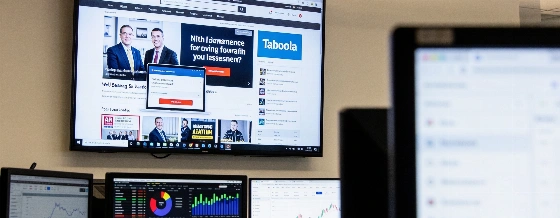
NBC News’ decision to partner with Taboola means that all programmatic display inventory on its properties will now be resold exclusively through Taboola’s platform, according to Axios. While other ad tech platforms can still access NBC News display inventory, they must do so via Taboola. This move stands out because Taboola is often associated with clickbait and so-called “chumbox” ad units, yet the company has been expanding its programmatic display business, securing similar deals with Microsoft, Apple News, and LG. NBC News will continue to handle direct sales for video and native advertising, but is outsourcing the complex web banner ecosystem to Taboola.
On the social video front, Divine has entered the market as a six-second video-sharing app reminiscent of Vine. The app comes preloaded with over two million original Vines, sourced from volunteers and archival sites. Divine’s Chief Marketing Officer, Alice Chan, told Digiday that while the company is open to advertising in the future, it will launch without ads. Instead, Divine will feature Taco Bell as a sponsor through mid-September, leveraging nostalgia for the mid-2010s and the year Vine was discontinued. Divine aims to attract users by banning AI-generated content and avoiding algorithmic feeds and personalized ads, hoping to sidestep the engagement-driven pitfalls seen on other platforms.
Advertisers and broadcasters are also watching the growing influence of mobile and social video. According to the IAB, social video ad spend is outpacing connected TV (CTV) growth, with many social-native brands finding these platforms more effective across the purchase funnel. Despite advances in smart TV technology, broadcasters still struggle to match the data-driven targeting and purchase intent insights available on social platforms. This fragmentation is one reason why some industry observers see the FCC’s moves to relax TV ownership limits as an attempt to help broadcasters compete with Big Tech. Media analyst Evan Shapiro has suggested that syndicating premium content into vertical video formats-such as adapting “Friends” for TikTok-could become a major trend.
Other notable updates include YouTube Shorts attracting more ad spend, Google Ads introducing new targeting for loyalty program members, and Target reporting a profit rebound partly due to its retail media network, Roundel. Meanwhile, a majority of US adults remain wary of AI, especially those under 30. As competition between OpenAI and Anthropic intensifies, OpenAI has announced new safety systems that, unlike Anthropic’s, will not retain business data. For more on how marketers are navigating new AI ad platforms, see this analysis of the challenges facing ChatGPT ads.
In executive moves, OpenX CTO Joel Meyer has been named chairman of Prebid.org, and CTV marketing platform MNTN has appointed former Snap executive Frank Lee as SVP of agency partnerships.
Taboola, founded in 2007, has grown into a major player in the digital advertising space, serving over 9,000 publishers and reaching more than 500 million daily active users worldwide. The company went public in 2021 and has continued to expand its partnerships with leading media brands and technology platforms.