A new app lets users create and share AI-powered mini-games. Pocket is not yet widely available. Meta is using user interactions to refine its AI systems.
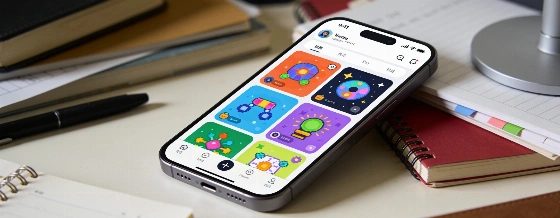
Meta is piloting a new app called Pocket, designed to let users create, share, and play AI-generated mini-games known as "gizmos." For publishers, creators, and digital media operators, this move signals Meta’s ongoing push to bring more AI-driven, consumer-facing products to market-potentially shaping how audiences engage with interactive content and how platforms gather behavioral data.
Pocket appeared on iOS and Android app stores on June 29, but Meta has not issued a public announcement and the app remains limited in availability. News of the app surfaced after app researcher Alessandro Paluzzi highlighted it on X on July 2. According to Meta’s help center, users can interact with gizmos made by others or generate their own using text prompts, with playable experiences appearing directly in the app’s feed. These mini-games are created entirely through text input and Meta’s AI, and can be shared or remixed by other users.
The app’s development likely stems from Meta’s acquisition of the engineering team behind AI startup Gizmo, founded by former Snapchat employees. That team joined Meta’s AI Superintelligence Labs unit. Pocket follows other standalone AI-first apps from Meta, such as Meta AI and Meta Vibes, which enable users to create and share short-form AI-generated videos. Meta has also tested an AI-powered companion app for Facebook creators, as previously reported in coverage of its AI companion tool for Facebook creators.
Meta states that user interactions with gizmos in Pocket will be used to improve its AI systems. By launching more consumer-facing AI apps, Meta is gathering real-world usage data and feedback to inform future AI development, while expanding the range of mainstream AI creation tools.