A group of state attorneys general is seeking $1.4 trillion in penalties from Meta. The company wants a judge, not a jury, to decide any fines. The trial could set a major precedent for digital platforms.
Media and publishing professionals are watching closely as Meta Platforms faces a potential $1.4 trillion penalty in a high-stakes legal battle with state attorneys general. The outcome could reshape how digital platforms are held accountable for user safety, privacy, and platform design-issues that directly impact content operations, monetization, and audience trust.
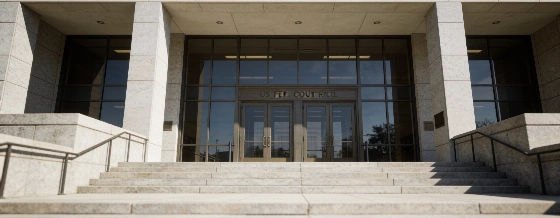
Meta has filed a motion to prevent a coalition of state attorneys general from asking a jury to impose the $1.4 trillion penalty if the company is found liable for violating state consumer protection laws and the federal children's privacy law. Meta argues that the figure, which nearly matches its $1.53 trillion market capitalization, is not supported by evidence or the record. The company contends that, should liability be established, U.S. District Court Judge Yvonne Gonzalez Rogers should determine any penalty, not a jury. Meta claims that allowing the $1.4 trillion figure to be presented would unfairly influence the jury by suggesting an unprecedented level of wrongdoing.
The dispute comes ahead of an August trial where California, Connecticut, Kentucky, and New Jersey will attempt to prove that Meta misrepresented the addictiveness of its platforms and harmed teens, as well as violated the Children's Online Privacy Protection Act by knowingly collecting data from children under 13. In total, 29 state attorneys general are suing Meta in federal court, with additional lawsuits in state courts. The August trial will focus only on the four states' claims.
Last month, Judge Rogers denied Meta's request for a pre-trial ruling in its favor, stating that a jury should decide whether Meta violated consumer protection or federal privacy laws. Meta has argued that "social media addiction" is not a recognized psychiatric disorder and that statements about platform addictiveness are not actionable. However, Rogers found there is a factual dispute over the existence and scope of social media addiction and whether Meta's statements were false.
Meta is also facing lawsuits from other attorneys general, school districts, cities, teens, and families over similar allegations. Other tech companies, including Google, TikTok, and Snap, are defendants in related cases. Two recent jury verdicts have gone against Meta: one in Los Angeles, where Meta and Google's YouTube were found liable for harming a young woman's mental health and ordered to pay $6 million in damages, and another in New Mexico, where Meta was ordered to pay $375 million for violating state consumer protection law. States such as Massachusetts and Nevada are also pursuing separate lawsuits.
Meta maintains that these lawsuits are barred by Section 230 of the Communications Decency Act and the First Amendment, arguing that claims about addictive design features are actually about content. Judge Rogers has ruled that Section 230 and the First Amendment shield Meta from some claims but not others, allowing certain allegations-such as those related to Instagram's appearance-altering filters-to proceed. Courts in Massachusetts and Nevada have rejected Meta's attempts to dismiss state lawsuits on these grounds. In April, the Massachusetts Supreme Judicial Court allowed the state attorney general to move forward with claims that Meta designed Instagram to exploit children's vulnerabilities or misled users about platform safety.
Meta has indicated it will seek Supreme Court review of the Massachusetts and Nevada rulings, recently requesting an extension to file its appeal. Justice Elena Kagan granted Meta's request for Nevada, while it remains unclear if Justice Ketanji Brown Jackson has acted on the Massachusetts request. For more on how legal and regulatory battles are shaping the digital media landscape, see this analysis of recent Supreme Court actions affecting press freedom: how the Supreme Court has recently shielded journalists in major legal disputes.