Spilnews is shaking up Dutch news for Gen Z. Their model puts connection before content. Community input shapes every story. Editorial and branded content stay strictly separate. Discover how this approach could change your own newsroom.
For anyone building newsrooms or chasing younger audiences, Spilnews offers a wake-up call: Gen Z isn’t starved for information—they’re drowning in it, but still feel disconnected. This Dutch startup, launched in June 2025, is betting that the future of news lies in forging genuine connections, not just pumping out more content.
Spilnews employs a team of 18, average age 26, producing up to 70 pieces of content weekly. Before launch, they surveyed nearly a thousand 18-24 year olds. The feedback was clear: information overload wasn’t the problem. What was missing was a sense of relevance and participation. Gen Z follows feeds, trusts people over brands, and wants to be part of the news cycle, not just passive consumers.
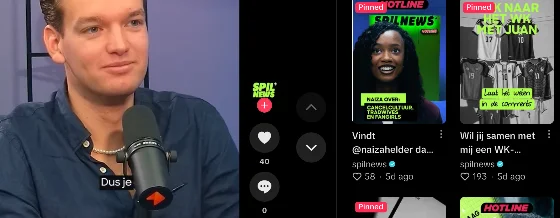
Instead of relying on a homepage or a masthead to build trust, Spilnews structures its newsroom around three pillars: a tight editorial core, a roster of creators, and an active community. The process starts with identifying themes where Gen Z feels underserved. Only then do they select creators—people who live and breathe those topics, whether they come from journalism or social media backgrounds. The format adapts to each creator’s natural storytelling style, ensuring authenticity shines through.
Early attempts to assign journalists to cover trending topics fell flat. Audiences quickly sensed when creators weren’t genuinely invested. Now, creators like Jeroen, who obsesses over politics, and Annemoon, who brings a creator’s flair to internet culture and true crime, are given space to own their beats. Their audiences know exactly what to expect from each face and topic.
Community isn’t just a distribution channel at Spilnews—it’s a reporting engine. Before stories go live, creators crowdsource questions and tips directly from their followers. After publication, creators—not social managers—dive into the comments, sparking conversations that often lead to follow-up stories. This feedback loop keeps the content cycle fresh and audience-driven.
External creators are brought in for their expertise or unique access, but everyone—internal or external—follows the same editorial standards. For example, Jady, a law student with a strong following, was tapped for her legal insights and her knack for engaging strangers on the street. Others, like Lekker An and Noah, contribute to formats like the Spilnews Hotline, voicing opinions from their own communities.
On the business side, Spilnews is blunt: Gen Z isn’t paying for news yet. Revenue comes from branded content, but with a strict firewall—editorial creators never front sponsored material. Instead, external creators handle branded projects, while Spilnews manages the process end-to-end to ensure trust and transparency. The goal is to keep editorial integrity intact while still monetizing effectively.
After a year, Spilnews is still refining its model, but the blueprint is clear: editorial focus, creator-driven journalism, a participatory community, and a revenue strategy that keeps church and state separate. For anyone in the news business, it’s a model worth watching—and maybe borrowing from.
Spilnews is part of WAN-IFRA’s News Creator Exchange programme.
Spilnews’s approach to creators stands out in a crowded field. Unlike influencer-driven brands, they prioritize subject-matter passion over follower counts. Creators are chosen for their deep connection to specific themes, not just their ability to attract clicks. This focus on authenticity, combined with a community-first reporting cycle, is helping Spilnews build trust with a generation that’s notoriously skeptical of traditional media. As more publishers chase Gen Z, Spilnews’s evolving playbook could set a new standard for engagement and credibility.