
Outdoor ad budgets are under pressure. Pool One and AWK are joining forces to expand their reach. Markus Stahmer explains how digital formats and AI are changing the market.
Outdoor advertising is facing new pressures as budgets tighten and digital formats multiply. Pool One and AWK have announced a strategic partnership designed to strengthen their position in a market where national and international competition is fierce. Markus Stahmer, CEO of PoolOne Giant Media GmbH, says the collaboration is about combining complementary strengths and expanding their network to serve clients across multiple out-of-home channels.
Stahmer notes that the partnership will help both companies access accounts that might have been out of reach individually. He points out that their high-impact campaigns often attract marketing decision-makers at international brands, especially in sectors like fashion, where traditional media may not be as effective. The increased joint presence, he believes, will boost their relevance and visibility in the market.
Asked about the regulatory environment for outdoor advertising, Stahmer describes it as stable but subject to ongoing debates, especially in major cities like Berlin and Hamburg. He says that while large advertising formats can enhance cityscapes, they also spark discussions about permits and locations. The process for securing approvals varies, with metropolitan areas typically applying stricter scrutiny than smaller cities. Stahmer observes that the overall landscape has changed little in recent years, though public debates can flare up when specific campaigns or the number of ad spaces become contentious.
On the rise of Digital Out of Home (DOOH), Stahmer sees it as an opportunity rather than a threat to traditional large-format advertising. He argues that new digital sites signal openness to further projects, but cautions that Germany is unlikely to see the density of ad spaces found in places like Times Square. Instead, he expects only a handful of premium locations-such as the Reeperbahn or Alexanderplatz-to support such formats, with careful attention to long-term demand and budget sustainability.
Digitalization is a key focus for Pool One, which has already added LED sites and secured new digital permits. With over 200 large-format locations, Stahmer sees significant potential for expanding digital offerings and sales opportunities. He also highlights the growing trend toward interactive campaigns, such as tactile billboards or installations that encourage passersby to engage physically-examples include posters with sequins that reveal different images when touched. These creative approaches, he says, help brands connect with audiences and drive social media sharing.
When it comes to media planning, Stahmer reports that most campaigns now blend classic static formats with digital video, but top-tier locations in major cities are often reserved for exclusive, static displays. Brands typically want to dominate these spaces for several weeks, using them as the emotional centerpiece of broader campaigns that also leverage social media and PR.
Stahmer believes that outdoor advertising has secured its place in the media mix, no longer seen as a niche or add-on. He credits the combination of digital innovation and premium static sites for driving renewed interest among marketers. Pool One, he says, has grown steadily in recent years, adding staff, opening new offices, and acquiring a competitor to strengthen its position. The company plans to continue expanding, with digitalization and a stronger presence in more cities as ongoing priorities.
Regarding industry consolidation, Stahmer says the Pool One and AWK partnership is not a direct response to potential changes at Ströer, Germany's largest outdoor advertising provider. Instead, he frames the move as a way to compete more effectively overall, emphasizing the value of larger, well-positioned entities in the market.
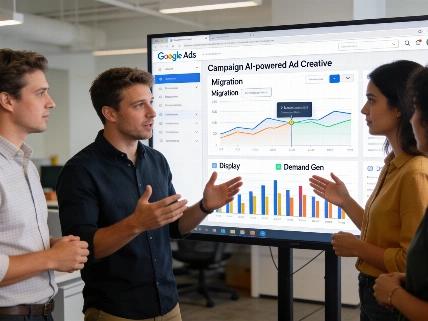
Artificial intelligence is playing a bigger role in campaign production, according to Stahmer. He notes that Pool One is increasingly receiving ad creatives that are partially or fully AI-generated, often without being told up front. As AI-generated images become harder to distinguish from traditional ones, Stahmer stresses the need for industry-wide standards on transparency and labeling. He supports developing such guidelines through industry associations, rather than leaving it to individual companies. Stahmer does not believe that labeling AI-generated content will diminish advertising effectiveness, as long as it does not create unnecessary bureaucracy.
Stahmer identifies the main challenge for Pool One and the broader sector as demonstrating clear value to clients in an environment where every marketing dollar is scrutinized. He emphasizes the importance of close collaboration between advertisers, agencies, and media sellers, especially as the number of available ad channels continues to grow. Agencies, he says, play a crucial role in helping clients navigate the expanding landscape and make informed choices about where to invest.
For a broader perspective on how advertisers are rethinking their influence over digital platforms, see this analysis of shifting power dynamics in the ad industry: how brand safety and public trust are shaping online advertising.