Independent journalists in Sweden and Germany are building new communities. These collectives provide collaboration, mentoring, and shared resources. The approach contrasts with the isolated freelance experience common in the UK.
Freelance journalists in Sweden and Germany are turning to collective workspaces to regain the sense of community and support once found in traditional newsrooms. These journalist-led organizations are providing practical benefits for independent reporters, including collaboration, mentoring, and professional development-resources that many UK freelancers working from home or coffee shops often lack.
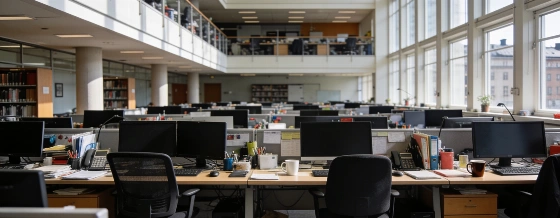
In Stockholm, a multi-story office building in Norrmalm is home to 'The Blue Office,' a collective that has operated for three decades. The Blue Office currently hosts 34 freelancers who share 27 desks. Members pay about SKr3,500 (approximately £272) per month for a full-time desk, with lower rates for part-time or desk-sharing arrangements.
Fredrik Nejman, a board member with 12 years at The Blue Office, said the main draw is the sense of belonging. The collective offers desks, internet, meeting rooms, and office facilities, but members value the daily interaction with colleagues most. Journalists regularly exchange ideas, share assignments when workloads are heavy, and support each other through group emails and informal discussions.
The Blue Office is not a typical co-working space. Membership is only granted after two months, and the environment is designed for long-term collaboration rather than short-term desk rental. The group organizes breakfast talks, invites guest speakers, and arranges social activities, including dinners and running trips abroad. In April, eleven members attended the International Journalism Festival in Perugia, joining freelancers from across Europe to discuss the profession's future.
According to the Swedish Union of Journalists, there are up to 25 freelance collectives nationwide, with The Blue Office recognized as one of the most established. This model is gaining attention as a way to rebuild professional networks and support systems for independent journalists. Similar efforts are underway in Berlin, where organizations like Publix are also experimenting with new forms of newsroom collaboration.
Other European publishers are also rethinking newsroom structures to boost engagement and collaboration. For example, Swedish local newsrooms have adopted the Core Model to track subscriber interaction and content performance, as detailed in this report on Bonnier News Local and Gota Media.