Electricity demand from new AI data centers is straining US power grids. Building the centers is fast, but expanding energy infrastructure takes years. Delays and costs are rising for operators and communities.
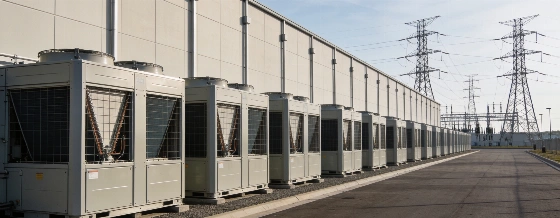
Media and publishing professionals tracking the AI boom are seeing a new infrastructure challenge: while AI data centers can be constructed in under a year, the energy systems needed to power them lag far behind. On Wednesday, a data center disconnected from PJM, the major power grid serving 13 states from North Carolina to Michigan, causing power flickers in homes from Washington DC to Chicago. This event highlights the growing tension between rapid data center deployment and the slow, costly process of expanding energy infrastructure.
AI workloads require enormous computing power, and the hardware behind these operations is concentrated in data centers that consume vast amounts of electricity. As more centers come online, the strain on regional power grids intensifies, driving up energy costs for businesses and residents alike. This surge in demand is one reason communities are increasingly resistant to new data center projects, as reported by 404media.
Some developers have proposed bypassing the grid by generating their own power on-site. However, while assembling a warehouse full of GPUs is relatively quick, building new power plants and transmission lines is a much longer and more expensive undertaking. Industry sources say that while a skilled team can complete a data center in less than a year, constructing the necessary energy generation and distribution infrastructure can take up to a decade and cost billions more than the data center itself.
The disconnect between the speed of data center construction and the slow pace of energy infrastructure upgrades is creating new risks for operators, utilities, and local communities. As the AI sector expands, these challenges are likely to intensify, with potential consequences for energy reliability and costs. This echoes concerns raised in other sectors, such as the shift in advertising strategies discussed in recent coverage of open internet ad spend trends.