
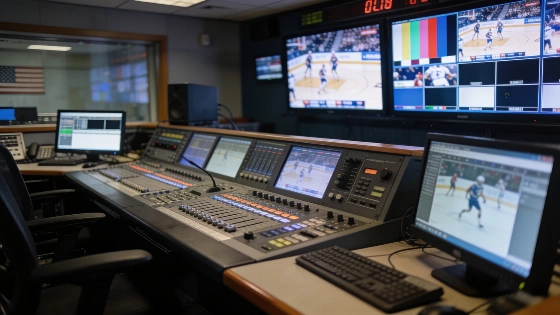
In June, the World Cup is reshaping the ad market: most brands without official partnerships are holding back on spending, creating a noticeable lull in programmatic activity despite the tournament's global reach. The shift is forcing many in digital media to recalibrate expectations and strategies for the month. The expanded 48-team, 104-match tournament is being staged across the United States, Canada and Mexico, with 16 host cities creating a large but finite slate of premium live-sports inventory.
Industry contacts report that official World Cup partners are ramping up budgets, while other brands are pausing or slowing campaigns. WARC projects the event will add 1.1% to global ad spend; in the U.S., the projected lift is between 0.4% and 1%, well below the 2.8% increase associated with 2018. The U.S. is scheduled to host 78 of the 104 matches in 11 cities, concentrating much of the tournament’s domestic media exposure there. That scale creates opportunities for national campaigns and local-market promotions, but premium match audiences are not spread evenly across the advertising market.
Fox and Telemundo reportedly brought in about $1.2 billion in advertising revenue from the tournament, with demand for their inventory drawing large advance commitments. The figure reflects reported revenue for the two rights-holding networks, not a measure of net-new spending across the entire advertising market. Comcast executives also said Spanish-language World Cup coverage on Telemundo and Peacock generated $224 million in incremental advertising revenue in the third quarter, while total advertising revenue associated with those properties reached $664 million, information from Adweek’s coverage of the company’s earnings call. The figures cover different scopes and platforms, but both point to the commercial advantage held by broadcasters with rights to live matches.
This concentration is helping create the impression that budgets are shifting away from programmatic and other digital channels as advertisers prioritize television exposure around the tournament. Some advertisers may also have less to spend later in the year after front-loading campaigns into the event window. The six-week competition runs much longer than events such as the Super Bowl or March Madness, extending the period when advertisers compete for high-profile sports audiences.
Once the tournament ends, industry sources expect a rebound. Brands that sat out the World Cup period are likely to return, aiming to recover lost ground, while those that invested heavily may ease off until Q4, when spending typically rises again. The event’s concentration of attention and premium inventory may draw spending toward rights holders without producing a proportional lift across the wider market.
This dynamic is shaping how publishers and networks plan for the rest of the year. A soft June is being treated as a temporary redirection of spend, with the hope that the broader market will recover by mid-July as advertisers return. For more on how brands are activating around the World Cup, see this report on Unilever's large-scale creator campaign.








